

In the late afternoon hours of 4 October, the Lion Rangers were informed by our colleagues with the Desert Lion Conservation Trust, that one of our research animals’ – OPL-1 – collar was no longer responding. The collar had not communicated satellite information for more than two days and it was feared something had happened to this male. While it is not uncommon for collars to not transmit GPS points for a day – perhaps the lion is under a tree, or resting against a cliff face – two days with no transmitted information is cause for alarm.
(Warning: link contains upsetting images.)
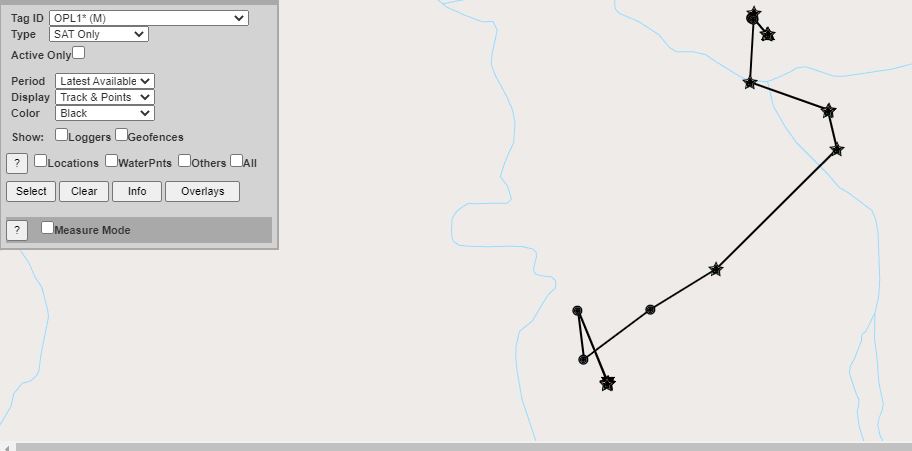
The following morning, Lion Rangers from Ehi-rovipuka, #Khoadi-//Hôas, and Omatendeka conservancies, overseen by staff from the Ministry of Environment, Forestry and Tourism (MEFT), Directorate of Scientific Services, went to the last known site of the collars’ GPS transmission. There and on the surrounding mountain slopes, the team uncovered clear evidence that four lions had been poisoned. Subsequently, two spotted hyenas, who appeared to have fed on the lion carcasses, also died of apparent poisoning. Crime scene investigation, undertaken by trained MEFT personnel in partnership with area police, allowed for the Rangers to help recreate what occurred. Interrogations of local farmers by police revealed that, following lions attacking goats in the nearby hills, a pair of farmers laced a goat carcass with an unnamed poison, leading to lions’ and hyenas’ deaths. This is the first known human-caused lion mortality in the Ombonde Research Area, since the Lion Rangers began working their in late 2019.
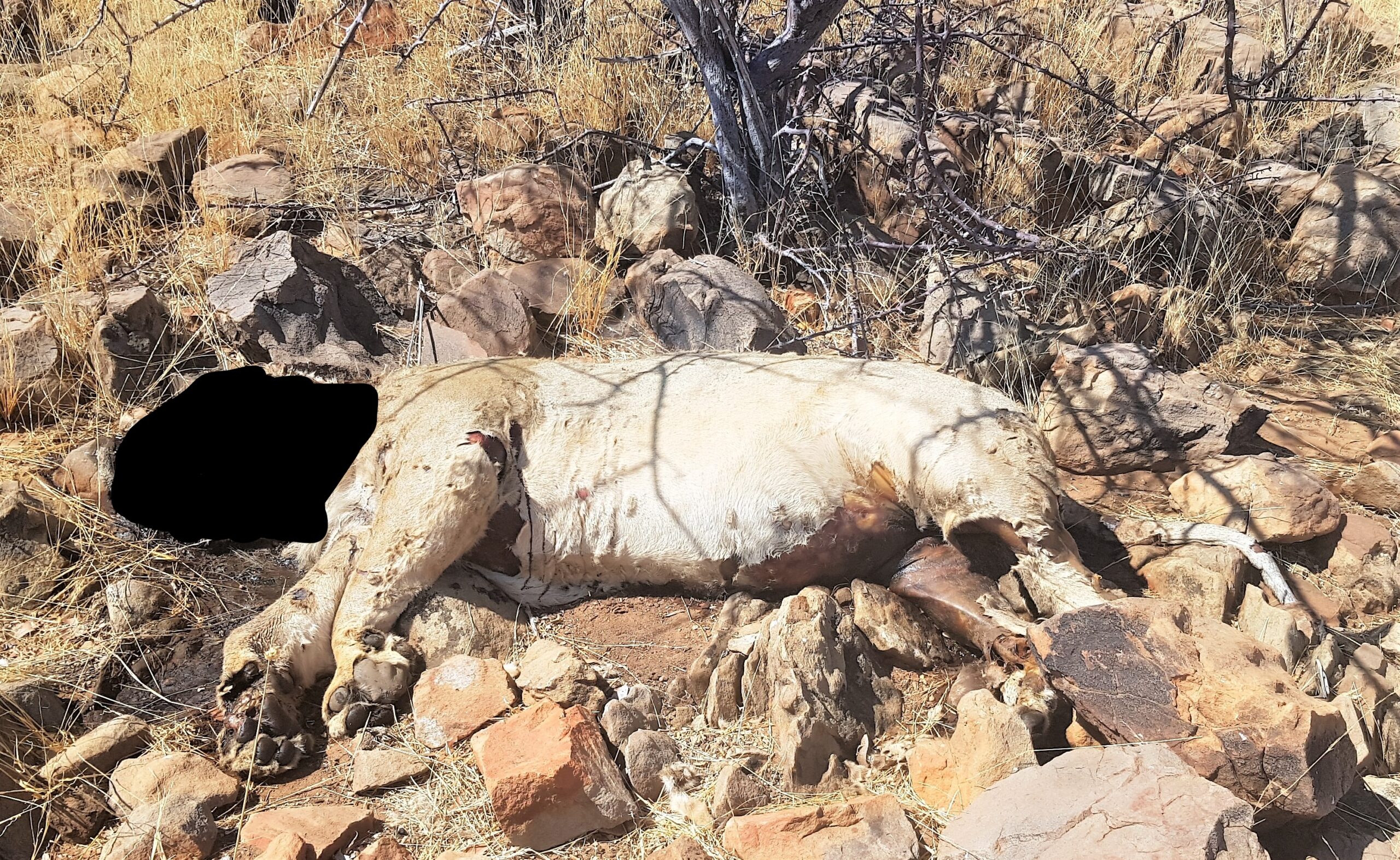
While the Lion Rangers were initially alerted to OPL-1’s presence in the area, via the geofence and early-warning system, both the killing of the goats and poisoning took place beyond the boundaries of the geofence, in a location not currently considered part of the active farming area. It is small consolation that the collar data allowed the Rangers to identify a possible problem and investigate the lion mortality quickly. Though this led to the confession and arrest of the alleged perpetrators, the Lion Rangers’ ultimate goal is to limit human-lion conflict. The program leadership team has already begun evaluating what measures are needed, in this area and elsewhere, to proactively intervene before the next problem escalates. Adaptive management means learning hard lessons and aggressively transforming approaches, for better lion conservation moving forward.

Thanks to the local police for their prompt engagement and hard work on the project. Thanks to the local communities around #Khoadi-//Hôas and Ehi-rovipuka for greatly assisting with, and supporting the investigation. It must be emphasized that the actions of the few do not overshadow the broad-based support of local communities for desert-adapted lion conservation. We will continue working together to limit human-lion conflict in northwest Namibia.
