

Over the past week, the Lion Rangers from Ehi-rovipuka, #Khoadi-//Hôas, and Omatendeka conservancies have been assisting Ministry of Environment, Forestry and Tourism (MEFT) game capture and Etosha veterinary staff, to collar lion in the Hobatere Concession area. Because lions move freely, in-and-out of the concession, lions often residing in Hobatere can also cause potential human-lion conflict on neighboring communal lands. In total five lions were fitted with satellite-GPS and Early-Warning collars – data are already incoming.
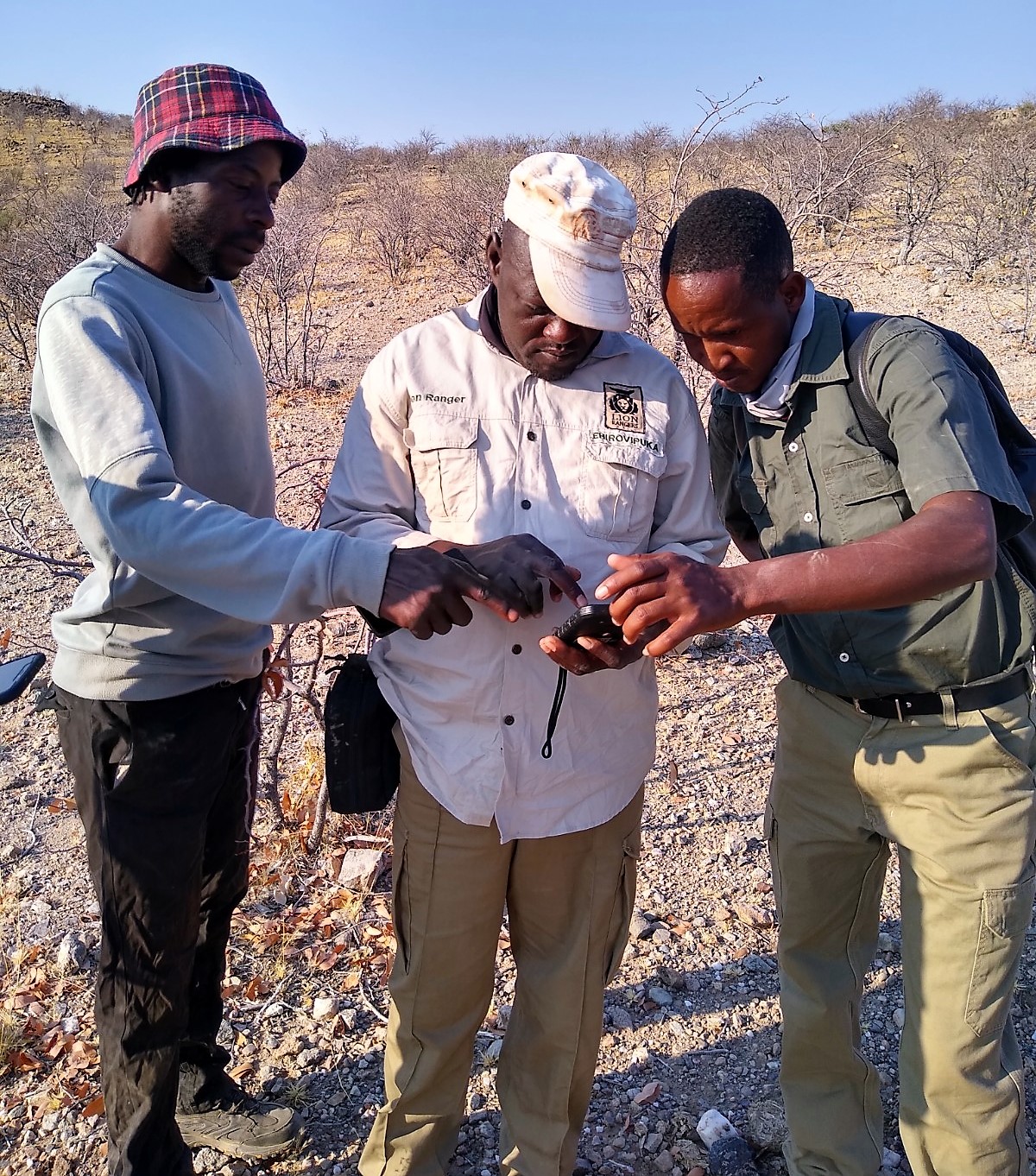
While the actual collaring of five lions took place over two days, the preparation encompassed more than six days of field work by the Lion Rangers, with on-the-ground and remote assistance from Namibian Lion Trust staff, Desert Lion Conservation Trust, and a broad base of support from area farmers. First, to assess which groups of lions were moving in the area, the Lion Rangers canvassed area farmers and conservancy staff, as well as drawing on their extensive knowledge. With permission from Etosha and MEFT, trail cameras were then placed adjacent to the Hobatere fence-line. Over three nights, these cameras recorded no fewer than three separate groups of lions – at least 13 lions in total – moving in-and-out of certain places along the fence. These images were used to identify key individuals to target for subsequent collaring.
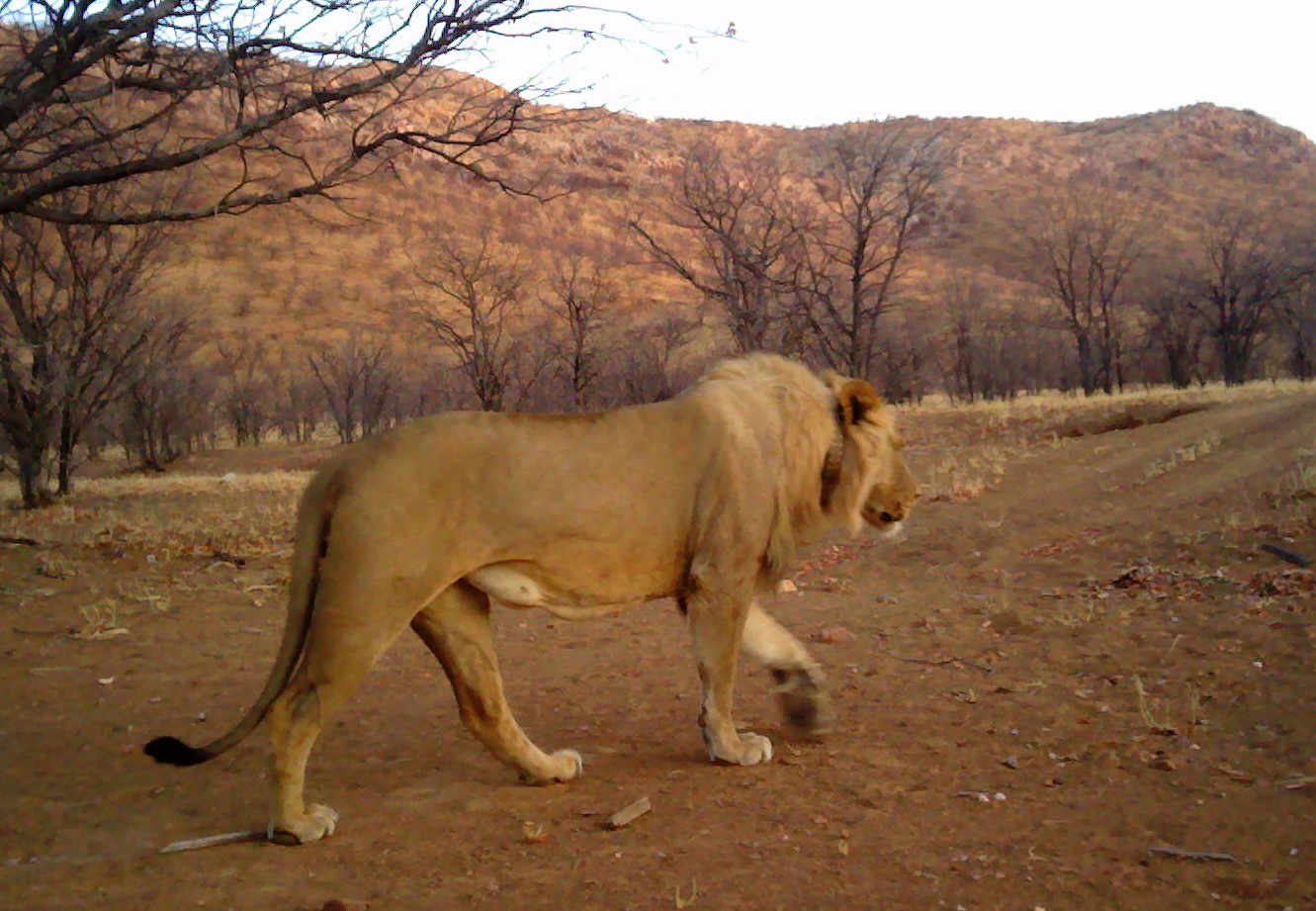
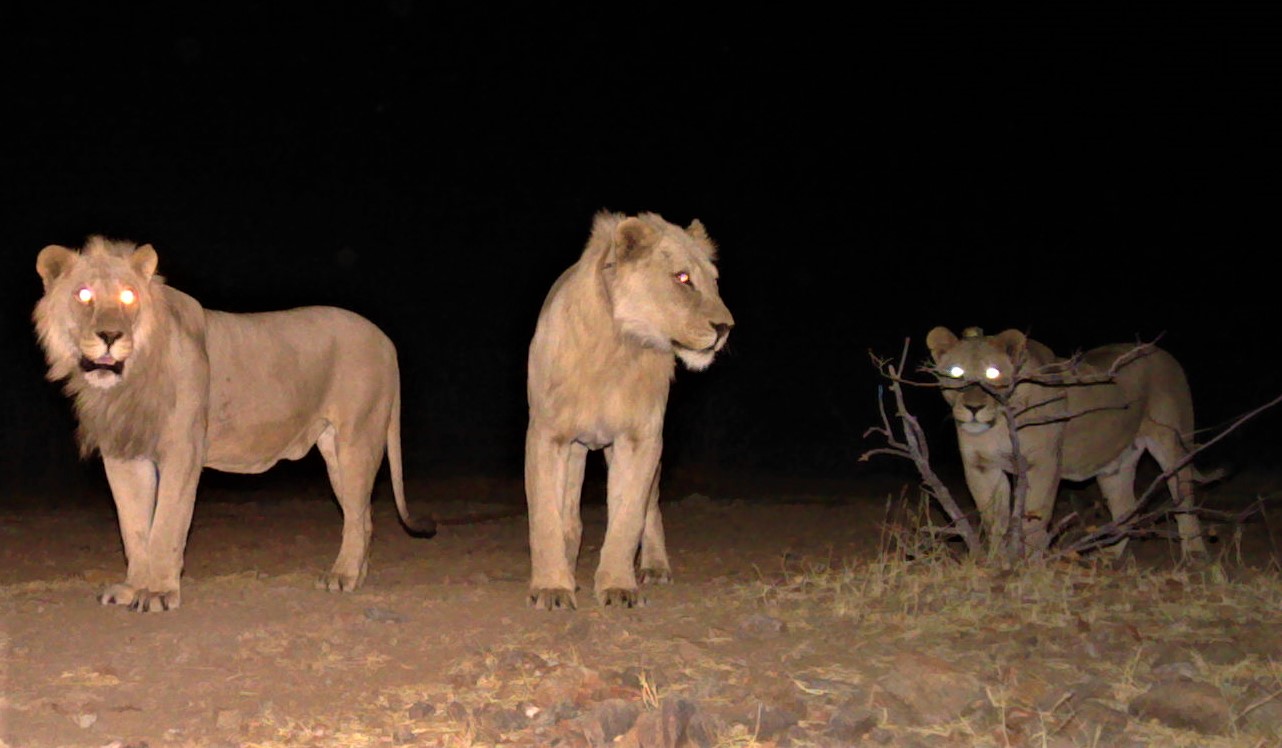
Using GPS-satellite information provided up-to-the-minute by Desert Lion Conservation Trust, the Lion Rangers and Etosha veterinary staff were able to target key groups of lions within Hobatere, as well as differentiate tracks of groups without collars. It is a challenge to work across so many different technological platforms and locations, thankfully all our project partners are working hard to align the needed communication to execute these complicated field operations.
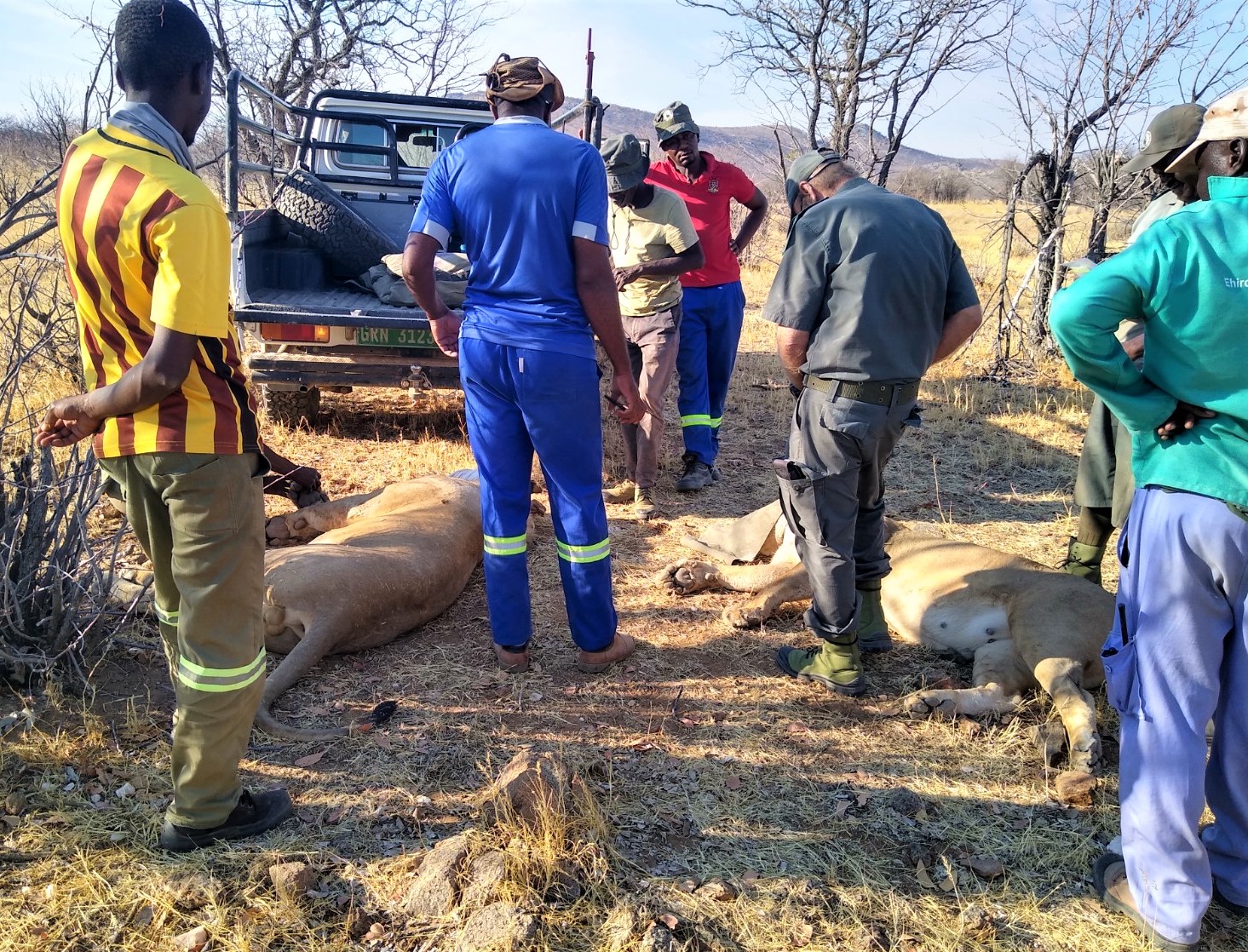
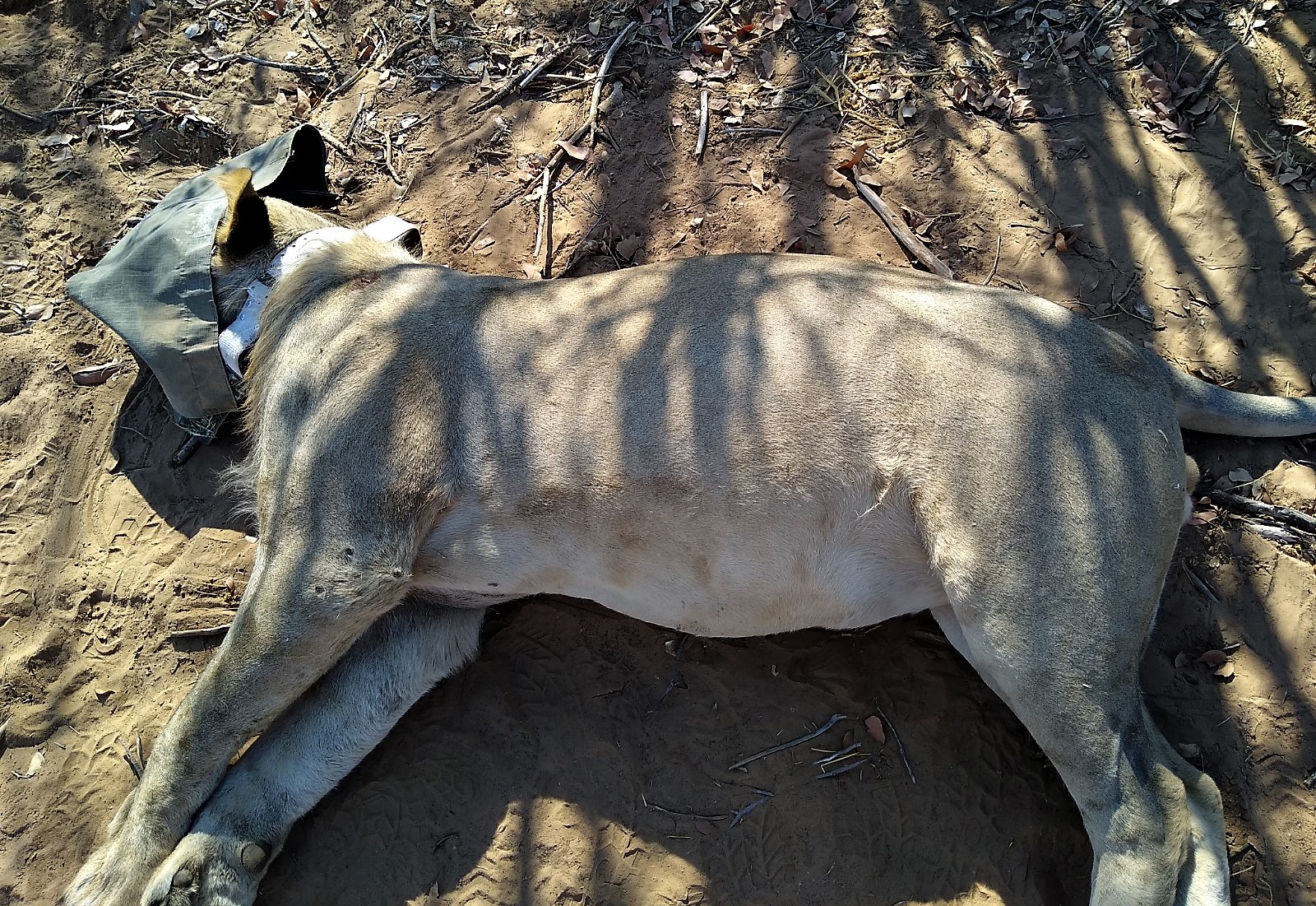
As a result of these collaring efforts, lion movement data is already being fed back to the Rangers in the field, MEFT staff responsible for overseeing the management of the population, and will be available for further research and human-lion conflict mitigation efforts.
