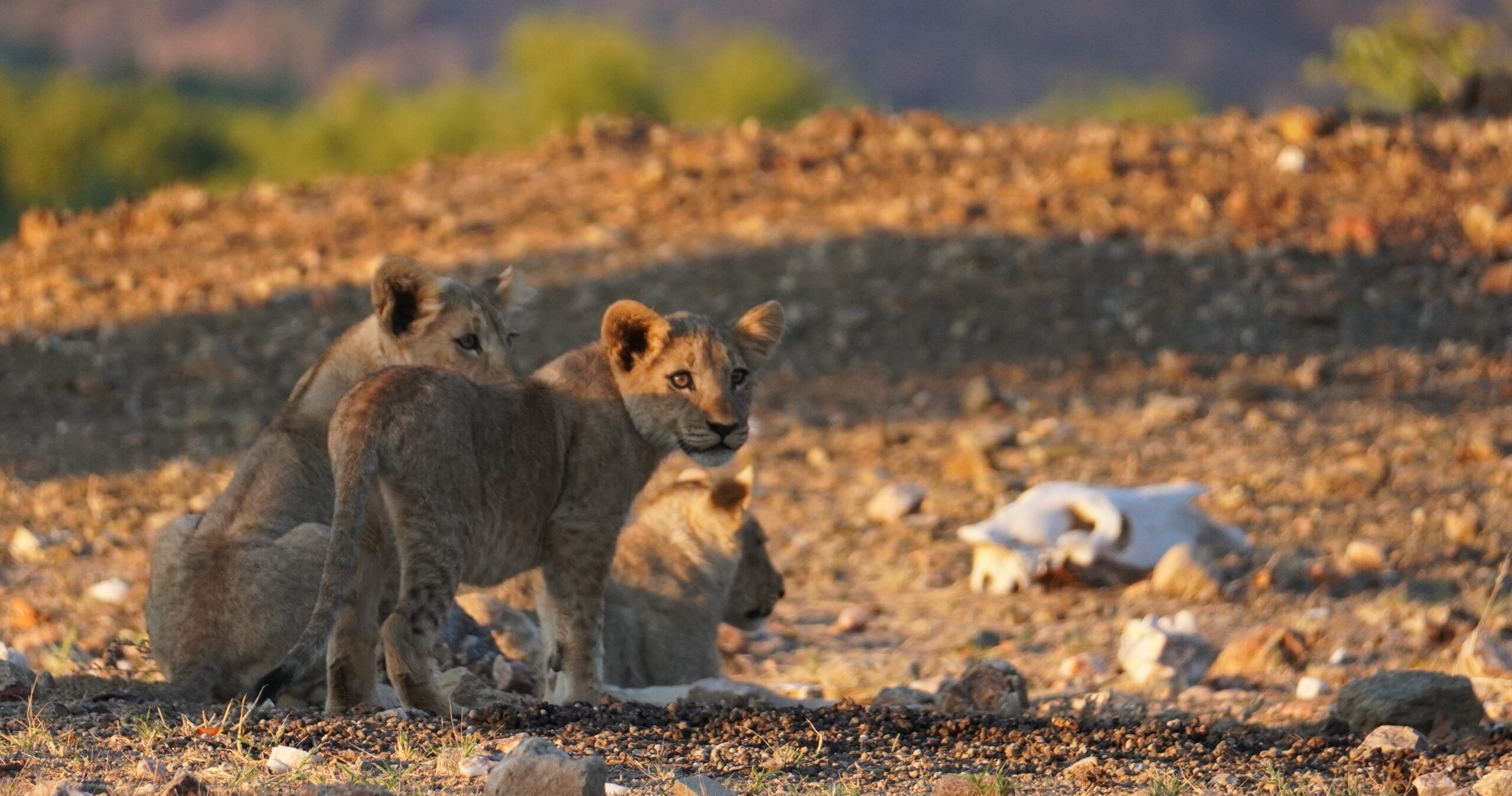
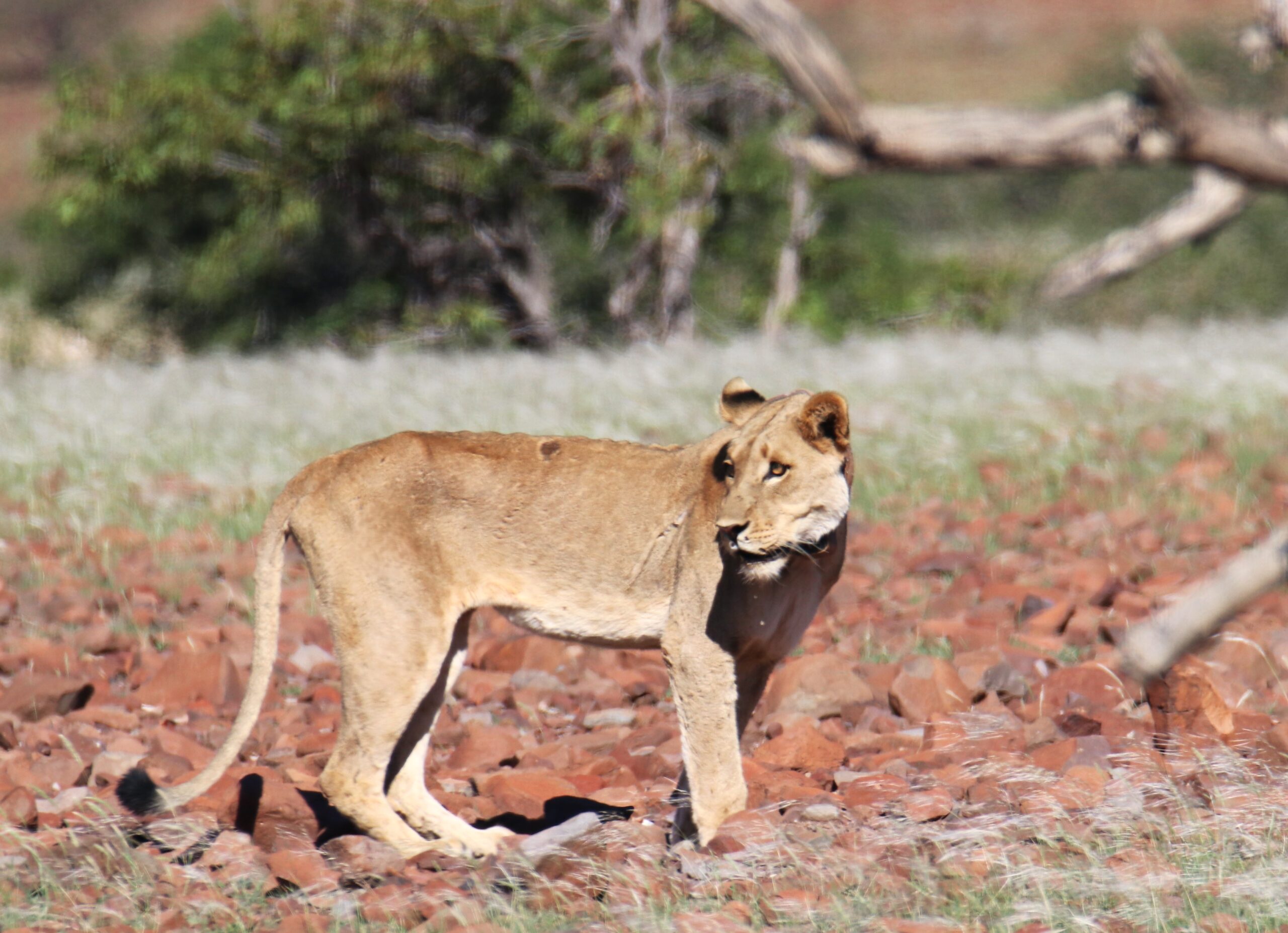
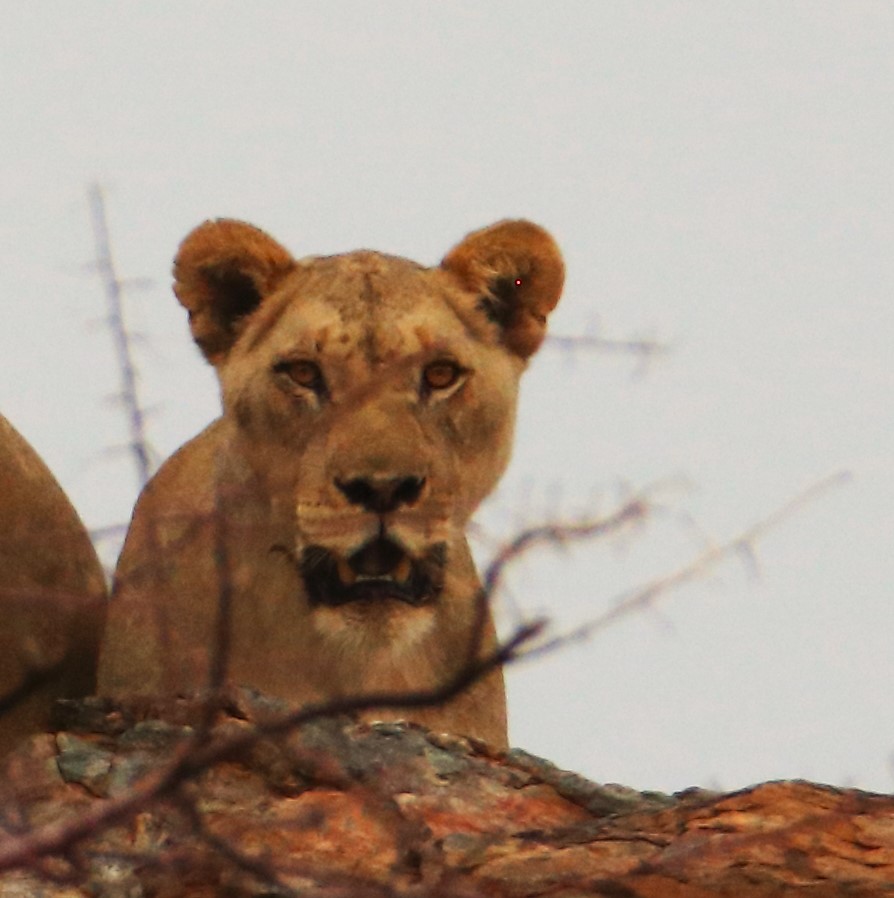
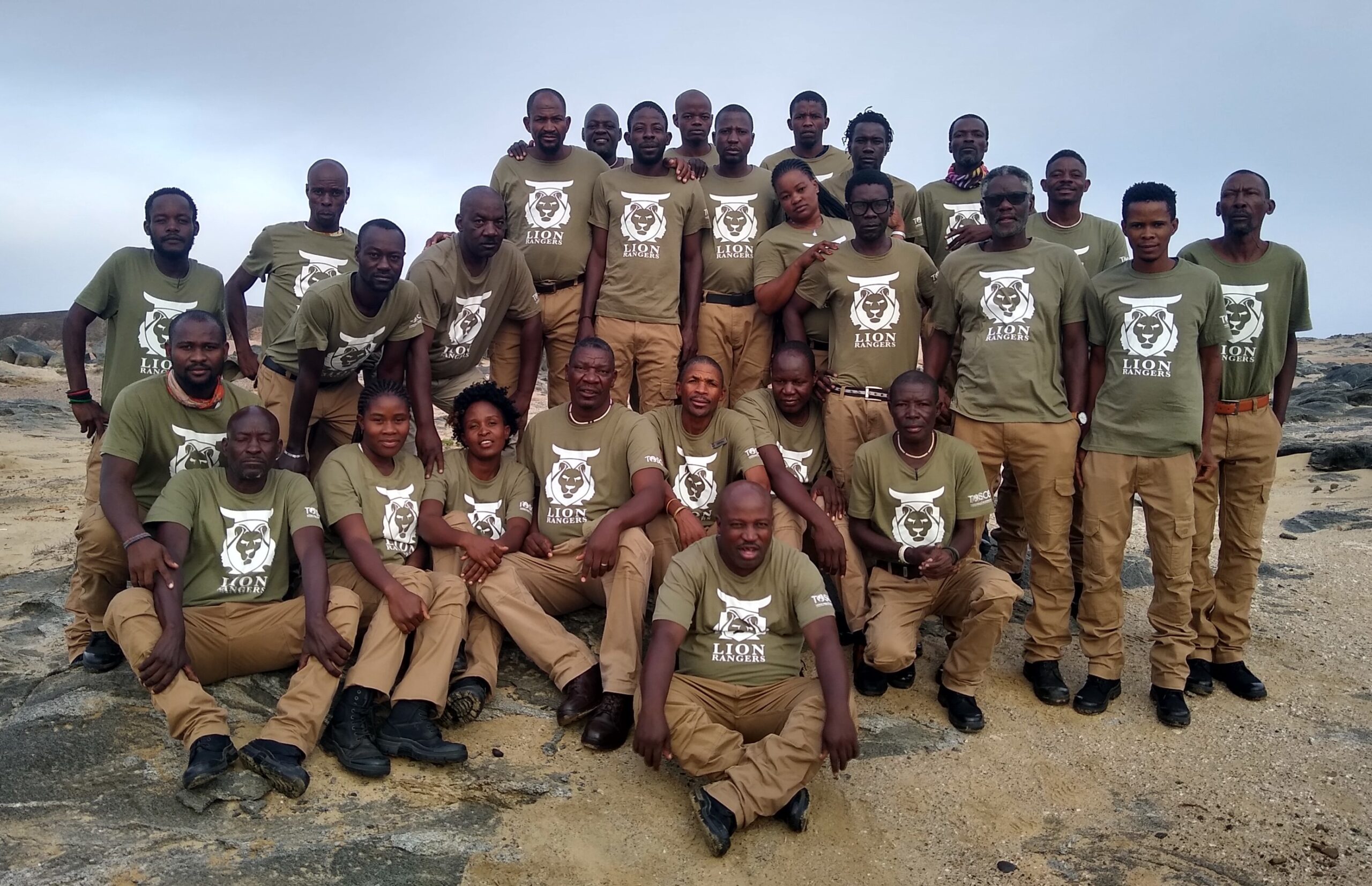
Over the past week we are glad to report that two sets of lions have come together and started mating. Along the boundary of the Anabeb and Omatendeka conservancies, the dispersed male NPL-39 met up with the female NPL-34. On the night of 17 October, the pair killed a juvenile giraffe near Omukutu, which was photographed by the Lion Rangers and Rapid Response Team monitoring the area. During this same period the male XPL-143 made his way to the Hoaruseb, where he found the solitary lioness XPL-150.
Continue readingAuthor: admin
Presenting Research at SAWMA

This past week the South African Wildlife Management Association (SAWMA) held its annual conference in Windhoek. Hosted by the great folks at the Giraffe Conservation Foundation, this conference brought together wildlife researchers and conservationists from around the world with dozens of presentations on exciting research touching the future of Southern Africa’s wildlife.
Continue readingBook Chapters Published
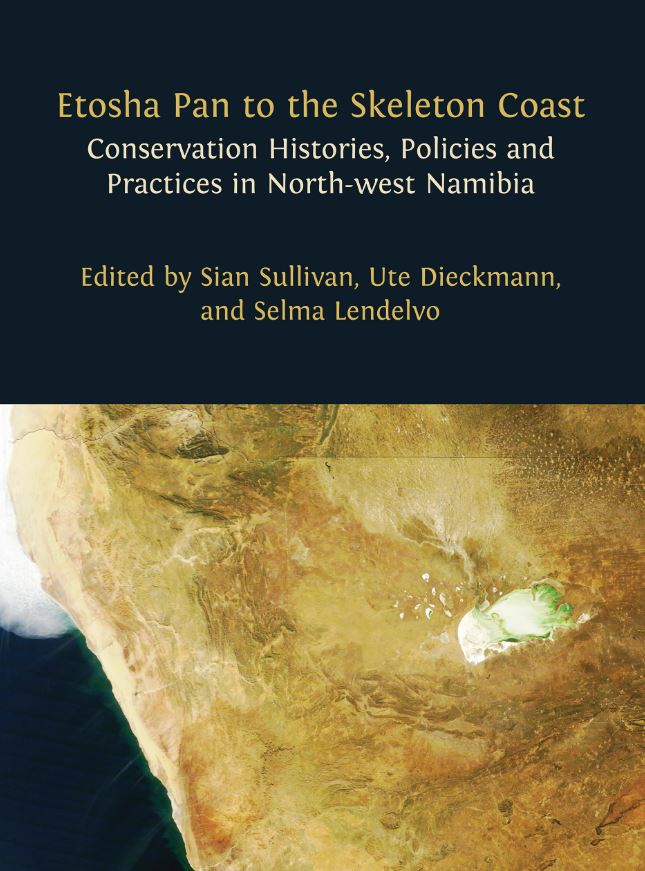
An important part of the work of the Lion Rangers Program is performing research and disseminating findings relevant to lions and lion conservation efforts in northwest Namibia. Each member of our Leadership Team was recently published in a new edited volume, Etosha Pan to the Skeleton Coast: Conservation Histories, Policies and Practices in North-west Namibia. This recently released volume brings together scholars and practitioners with a breadth of experience examining the human-nature interface in Namibia’s Kunene Region. This volume has been published Open Access and can be read and downloaded for free by all who are interested.
Chapters written by our Leadership Team include:
Continue readingWe Remember: Pienaar Kasupi, 1968-2024
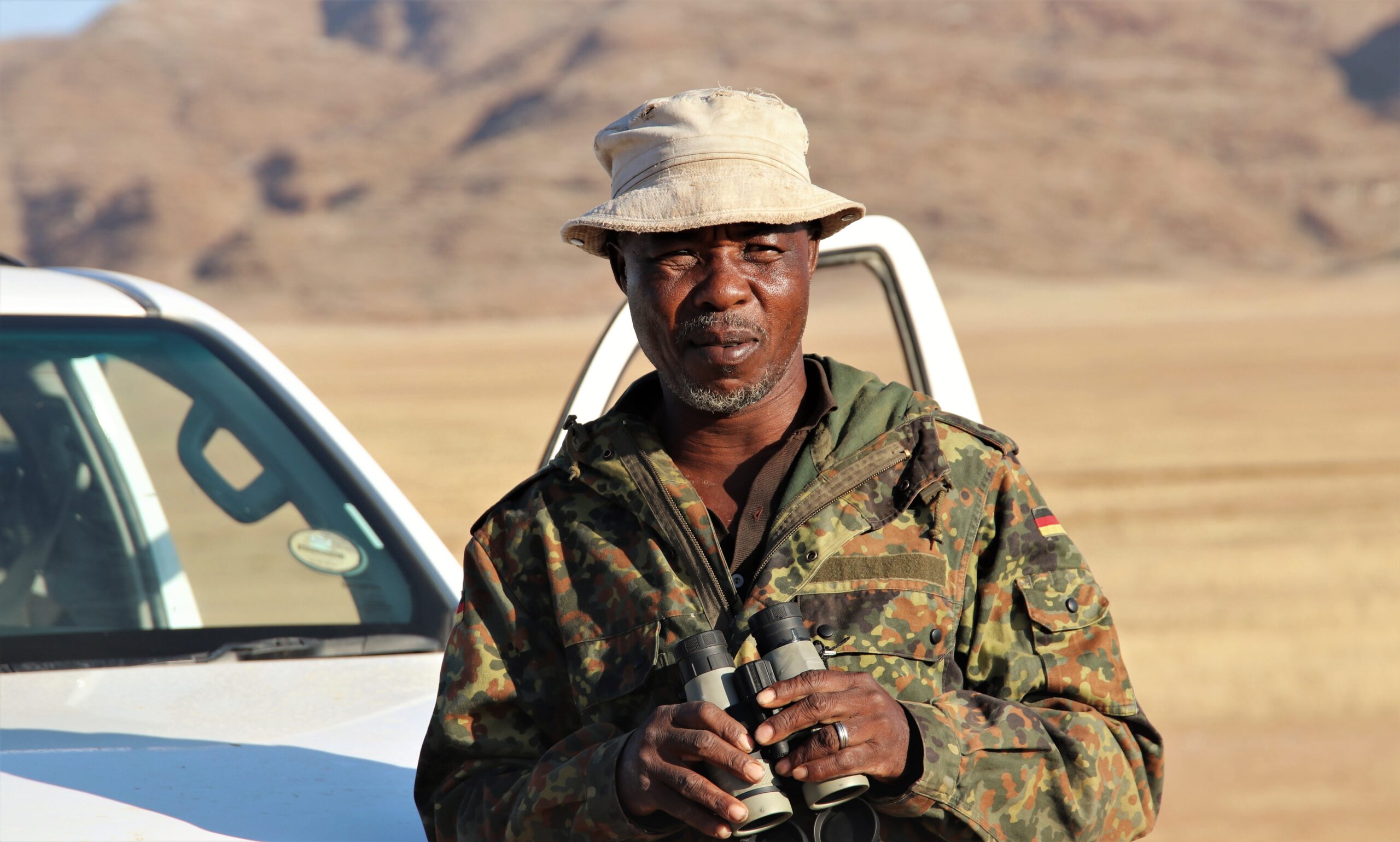
The Lion Rangers program is deeply saddened to report the death of Sesfontein Lion Ranger Pienaar Muniozondjo Kasupi, who passed away unexpectedly on 18 July 2024.
Continue readingLion Collaring in Etendeka and Anabeb
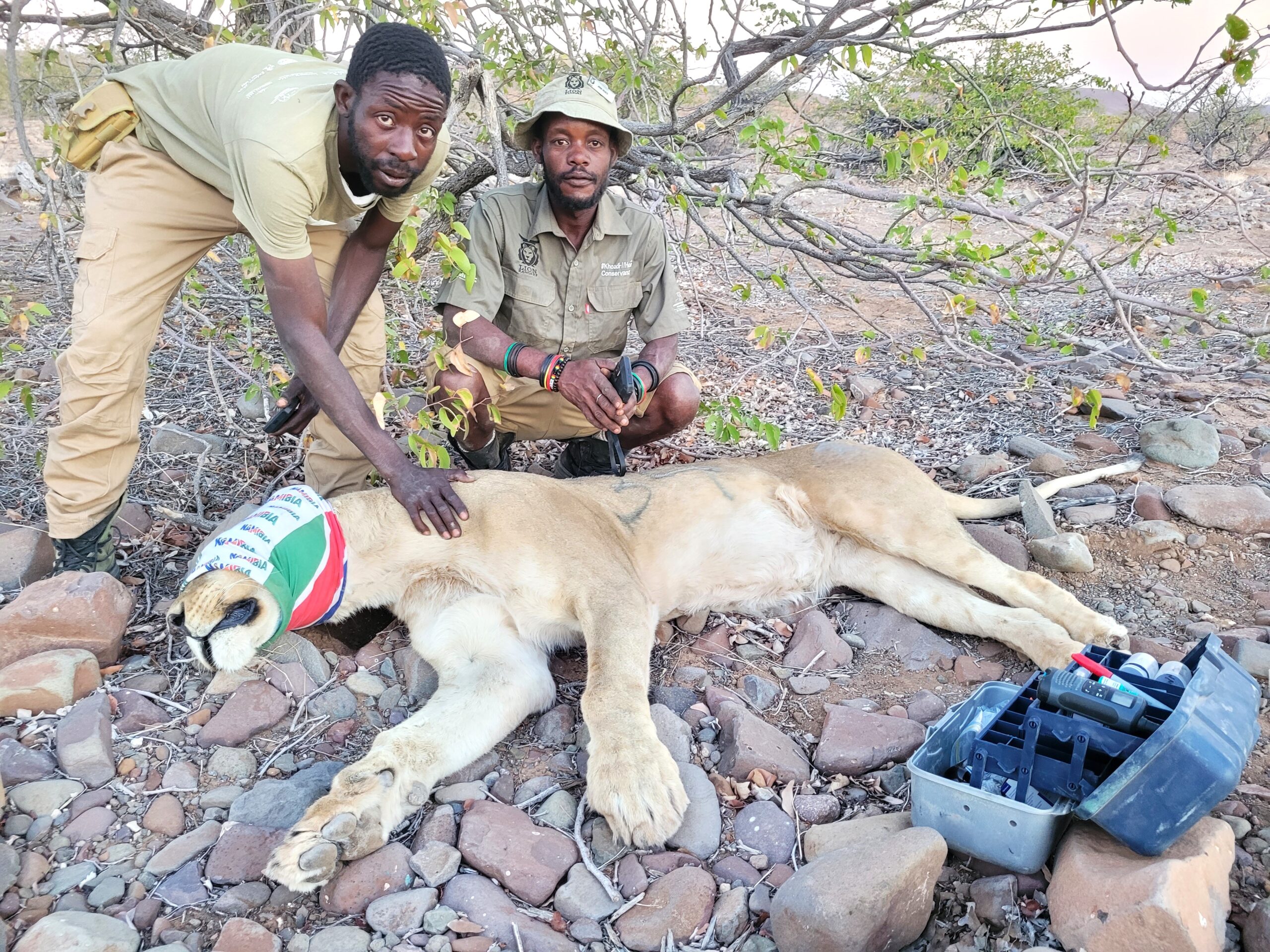
This past week the Lion Rangers collared the lioness OPL-34 and replaced an aging collar on the male lion OPL-2.
Continue readingCollaring and Game Count
Each May the Lion Rangers program assists area conservancies and Namibia’s Ministry of Environment, Forestry and Tourism (MEFT) with the annual Northwest Game Count. As part of monitoring wildlife numbers within government-controlled lands, the game count is important for quota setting, to ensure conservancies continue to benefit from wildlife stewardship. The Northwest Game Count is also the longest-running and largest road-based game count in the world. This year, the Lion Rangers partnered with MEFT to assist with the game count while also performing lion collaring operations within Etosha National Park, Hobatere, Etendeka, and Palmwag Concessions, and Omatendeka Conservancy.
Continue readingAub Pride in the Mountains
A recent spate of decent rains have brought green grass to much of northwest Namibia. This is a boon for farmers and their livestock, as well as prey species such as springbok and mountain zebra. For the desert-adapted lions it can mean lean times, when prey move from prides’ core ranges. While prey species follow the rains to find available grazing, lion movements can be much more conservative, as George Schaller noted in his seminal study of lions in Serengeti. Thus, northwest Namibia’s rainy season can be a period of flux and relative uncertainty for the desert-adapted lions.
Continue readingNew Publication: Population Survey
Results from the first comprehensive desert-adapted (northwest) lion population survey have been published as a peer-reviewed article by the African Journal of Ecology. The survey provides an important baseline for Namibia’s Ministry of Environment, Forestry and Tourism and area lion researchers as we work together for the sustainable management of the desert-adapted lion population. The journal article has been made available to any interest readers by the University of Minnesota Lion Center, who covered the Open Access publication fees.
Of particular interest is the role of the Lion Rangers, whose Local Ecological Knowledge (LEK) was indispensable to the successful execution of the survey. An important part of the survey was the use of repeatable, community-centered methods to help build local custodianship over the lion population.
SMART Global Congress and Lion Rangers Training
March was a busy month for the Lion Rangers program. From 10-14 March, program leadership attended the inaugural SMART Global Congress, hosted by the SMART partnership and Namibia’s Ministry of Environment, Forestry and Tourism MEFT) in Windhoek. From 16-27 March all the Lion Rangers attended our annual training in Skeleton Coast National Park at Mowe Baai. During training the Rangers gained skills in household accounting and refined their abilities in using the Spatial Monitoring and Reporting Tool (SMART) which is an important part of their work monitoring wildlife and limiting human-lion conflict in northwest Namibia.
Continue readingNorthwest Lion Population Survey Report
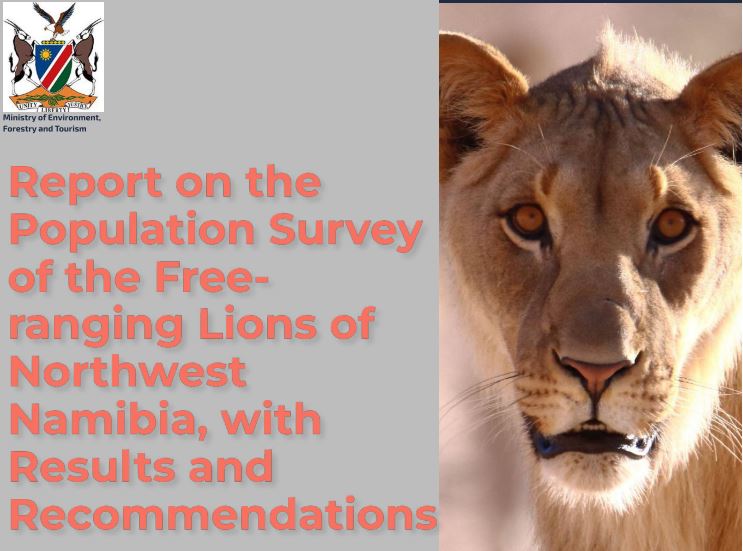
Namibia’s Ministry of Environment, Forestry and Tourism (MEFT) has endorsed the official report from the Northwest Lion Population Survey. This report is the culmination of more than two months of field work by 45 Lion Rangers and MEFT staff, and months of review and analysis by researchers to set a much-needed population baseline for free-ranging lions in northwest Namibia. By being endorsed by MEFT management, the results and recommendations from the survey become part official policy in terms of managing human-lion conflict on communal lands.
A complete copy of the report is available for download here. Thanks to all our supporters who helped ensure the successful completion of the population survey. The Community Conservation Fund of Namibia is particularly recognized for its leading role in supporting the survey.