
On 10 May the Ministry of Environment, Forestry and Tourism (MEFT) commissioned a rapid assessment of the status and condition of the desert-adapted lion population. Spanning the central (north-to-south) part of the desert-adapted lion range, this rapid assessment is being undertaken by staff from MEFT, Desert Lion Conservation, Namibian Lion Trust, the Lion Rangers, and Integrated Rural Development and Nature Conservation (IRDNC) and is being supported by Tourism Supporting Conservation (TOSCO).
Teams of Lion Rangers are currently at work in the conservancies of Anabeb, Omatendeka, Sesfontein, and Torra, as well as Etendeka Concession, assessing the body condition of as many desert-adapted lions as possible, as well as available prey and rainfall information to make proactive decisions about the lion population of northwest Namibia. This is in addition to the ongoing work of the Lion Rangers which is still underway.
Western Anabeb
Reports from Anabeb Conservancy have been ongoing for weeks concerning the lack of available prey leading to heightened potential for human-lion conflict (HLC) in the western part of the conservancy. IRDNC Human-Wildlife Support teams have been especially active in the area and have been working tirelessly to limit conflict and keep an eye on the area’s lions.
Sesfontein
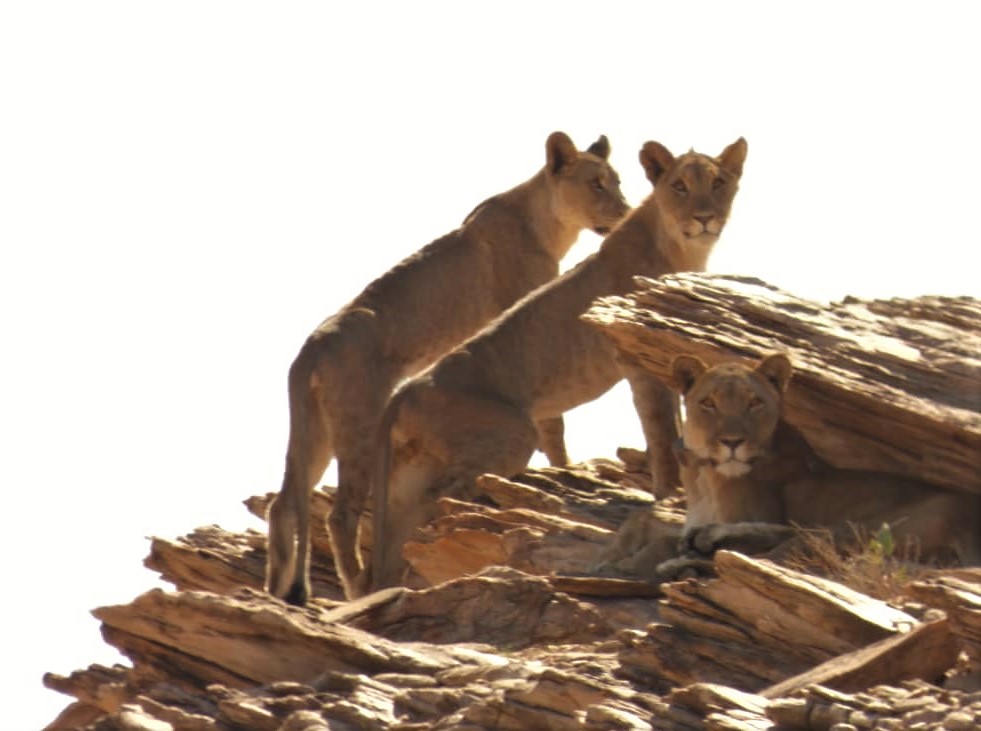
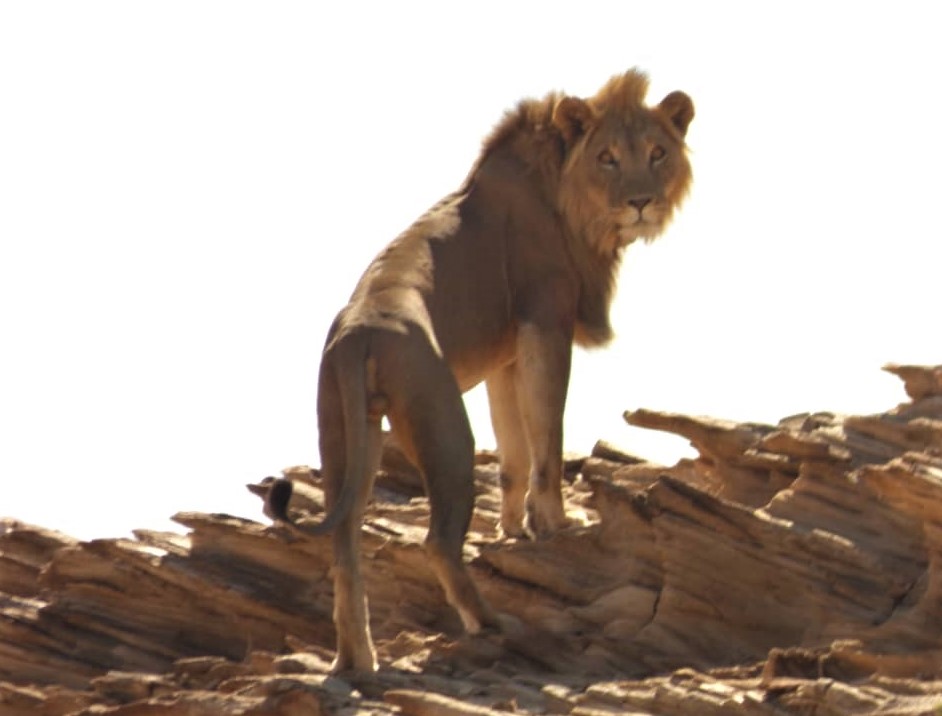
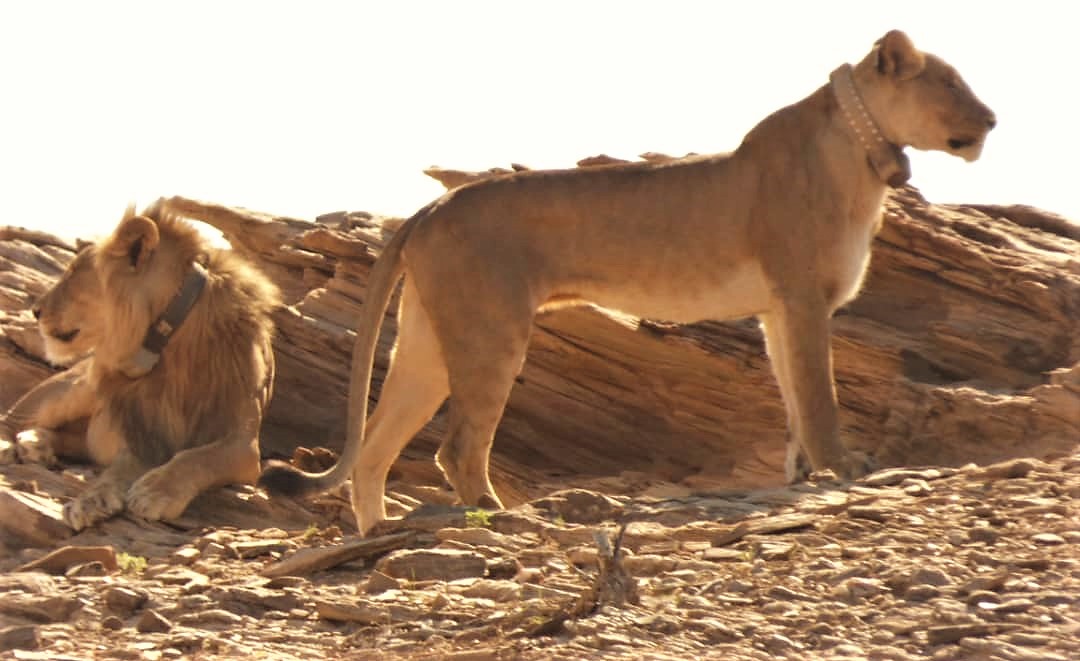
The Sesfontein Lion Rangers have been hard at work monitoring lions in the Oruvao areas and further north near the Hoanib river. The photos below were taken during the rapid assessment by Lion Ranger Steven Kasaona. As you can see this Hoanib group is fairing well, even given the patchy rains in the area. Unfortunately, lions near the Hoanib recently killed a cow while it was being herded during daylight hours. The Lion Rangers and MEFT staff responded to quickly to help mitigate the farmers’ loss.
Eastern Anabeb/Omatendeka
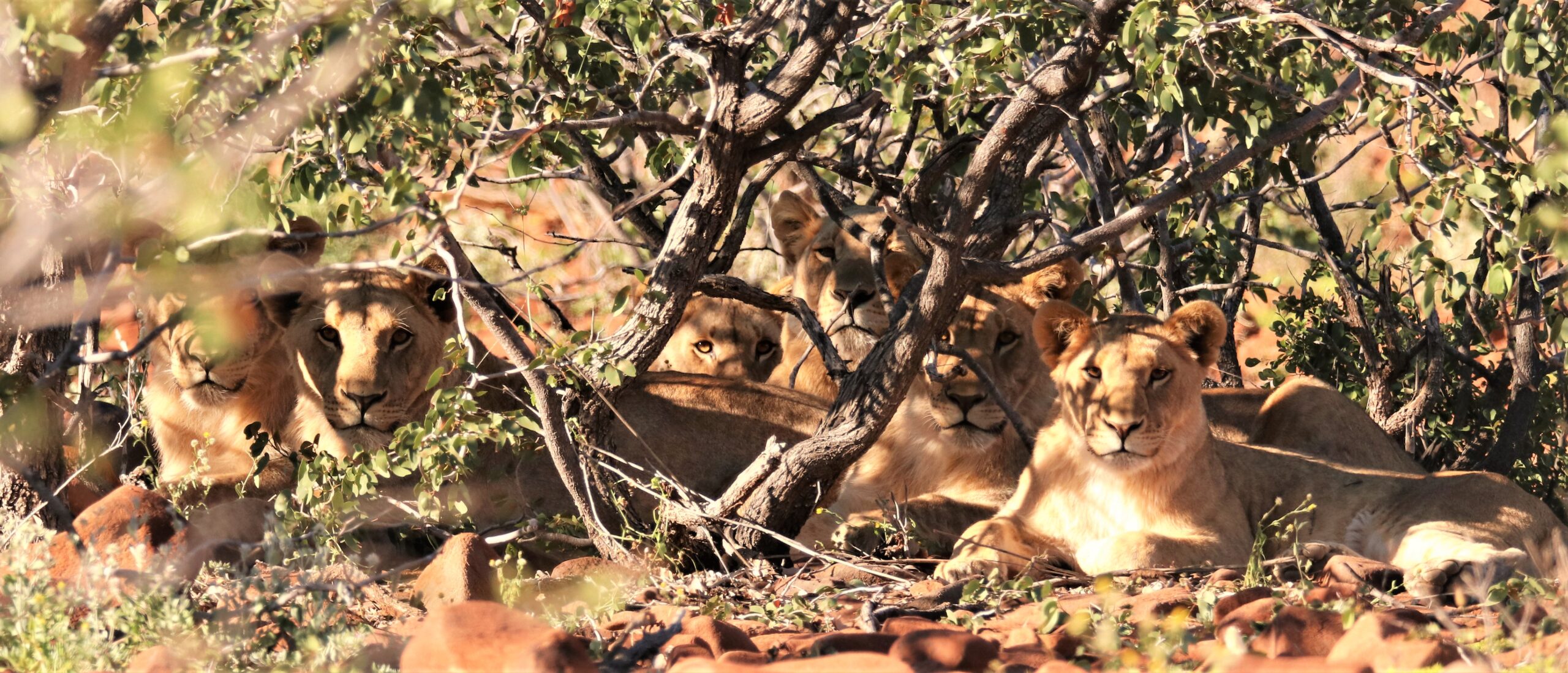
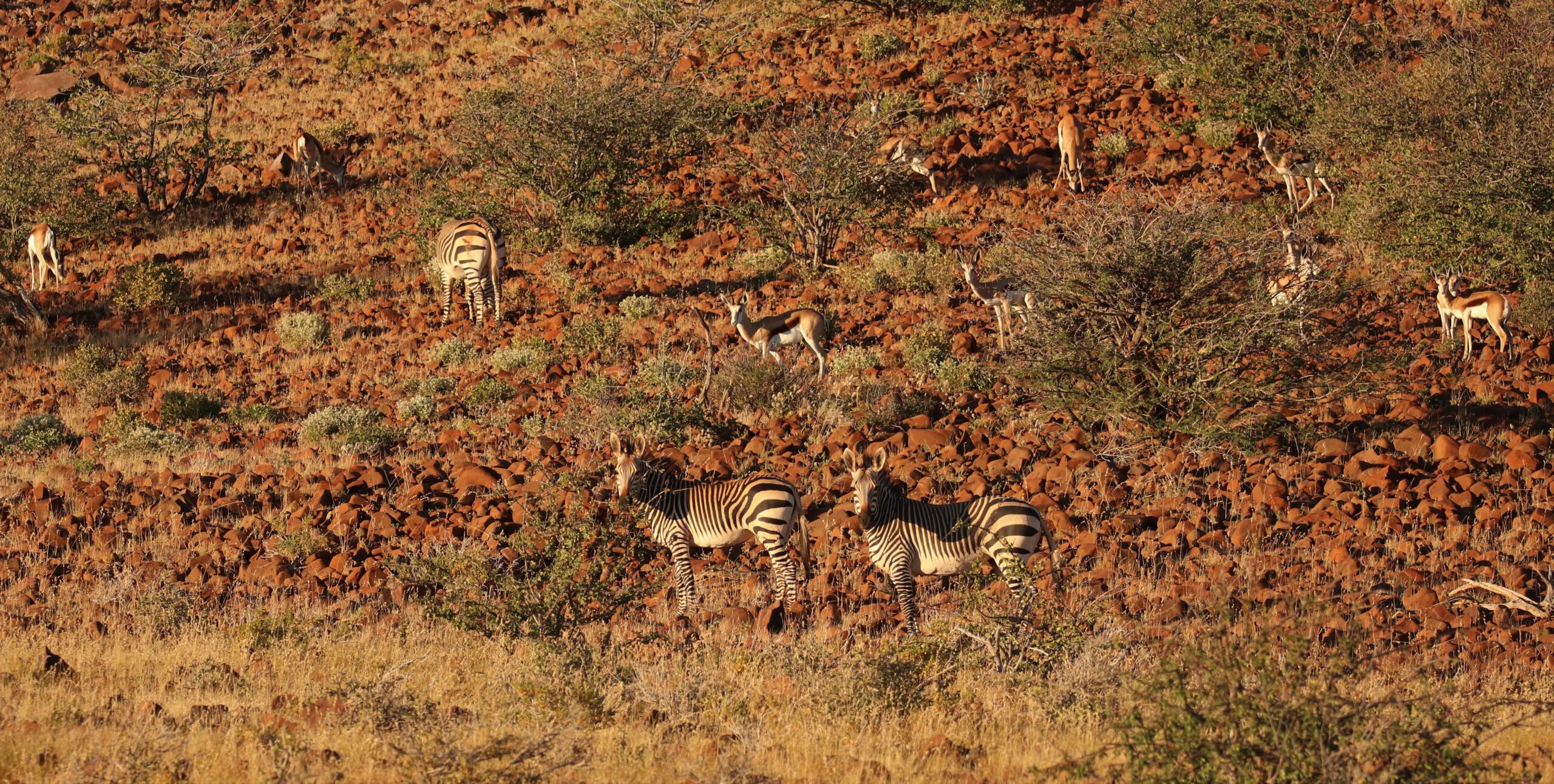
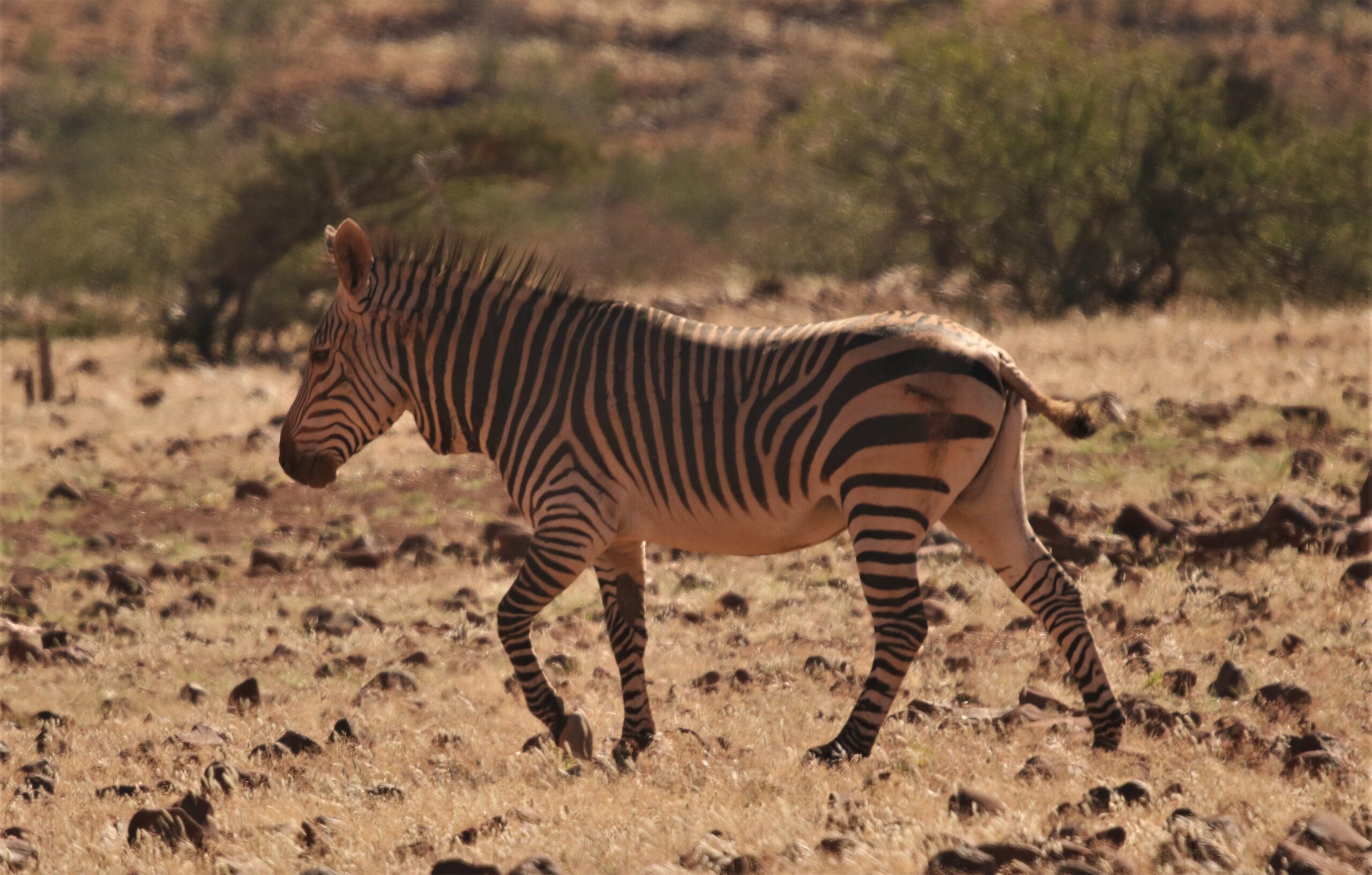
For weeks report have been coming in from the Lion Rangers and conservancy Rhino Rangers of large groups of uncollared lions moving through the Ombonde Research area. During the rapid assessment two large groups of uncollared lions, one group of six individuals, another of ten, were found in the area. Plans are in the works to have these lions collared soon. Fortunately, good rains have fallen in the area over recent weeks, leading to large numbers of springbok near waterholes and zebra in the mountains. These prey are also looking healthy and well-fed, as evidenced by this zebra below who was able to survive a recent lion attack.
Etendeka
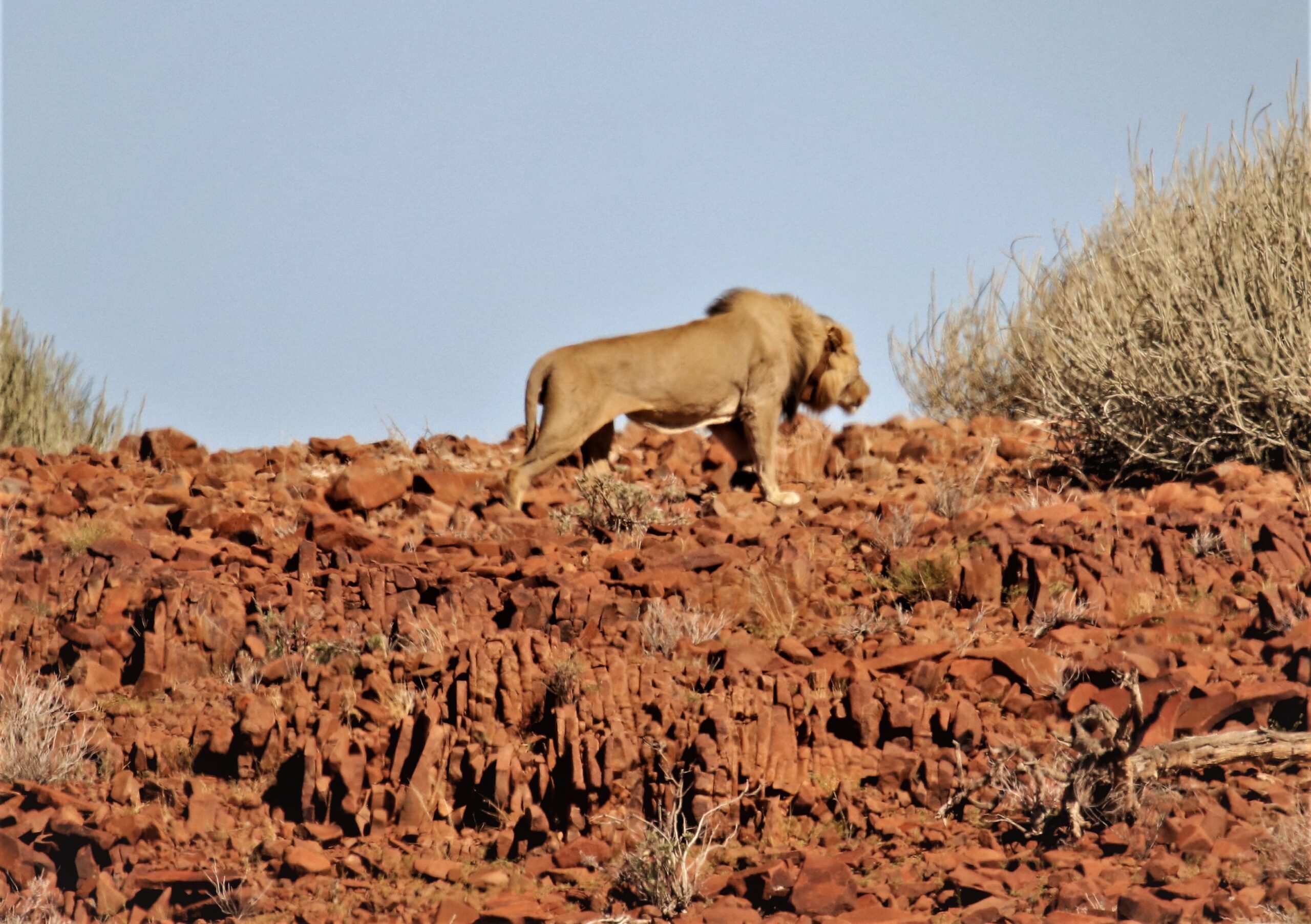
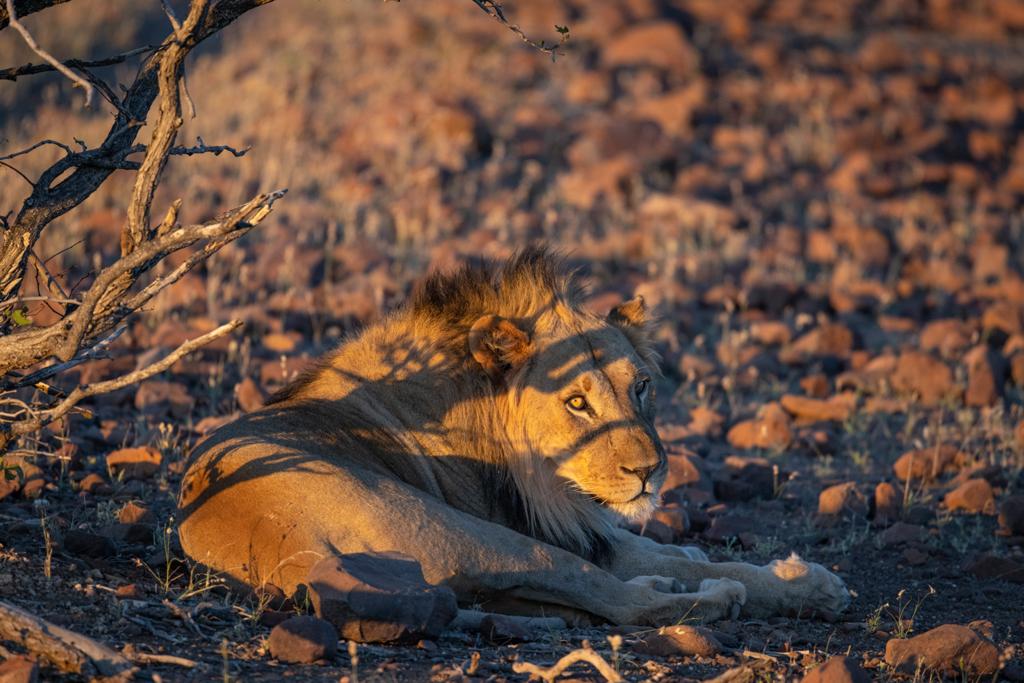
Groups of collared and uncollared lions have been seen looking well-fed in the Etendeka Concession. One male (XPL-107) was spotted with two uncollared females, likely the same pair he was seen mating with in March. Etendeka staff also provided a photo of an uncollared male from near the lodge over the weekend.
As the rapid assessment was winding down there was a pervading sense that lions in the northwest have been weathering the drought and changes in available prey location quite well. Though there are certainly areas where lions are struggling, overall the population appears resilient.
Thanks to MEFT for implementing and coordinating this important work and to all who participated on such short notice.
