This past week the Lion Rangers have been busy with research and conflict mitigation in the Kunene Region of northwest Namibia. The deepening of the dry season is causing the northwest lion prides to move into new areas, brining some lions into increasing conflict with farmers. Additionally, the Lion Rangers Research Team continues its partnership with the Beasley Lab at the University of Georgia. An ongoing trail camera project, examining spotted hyenas in the region is starting to yield some interesting images.
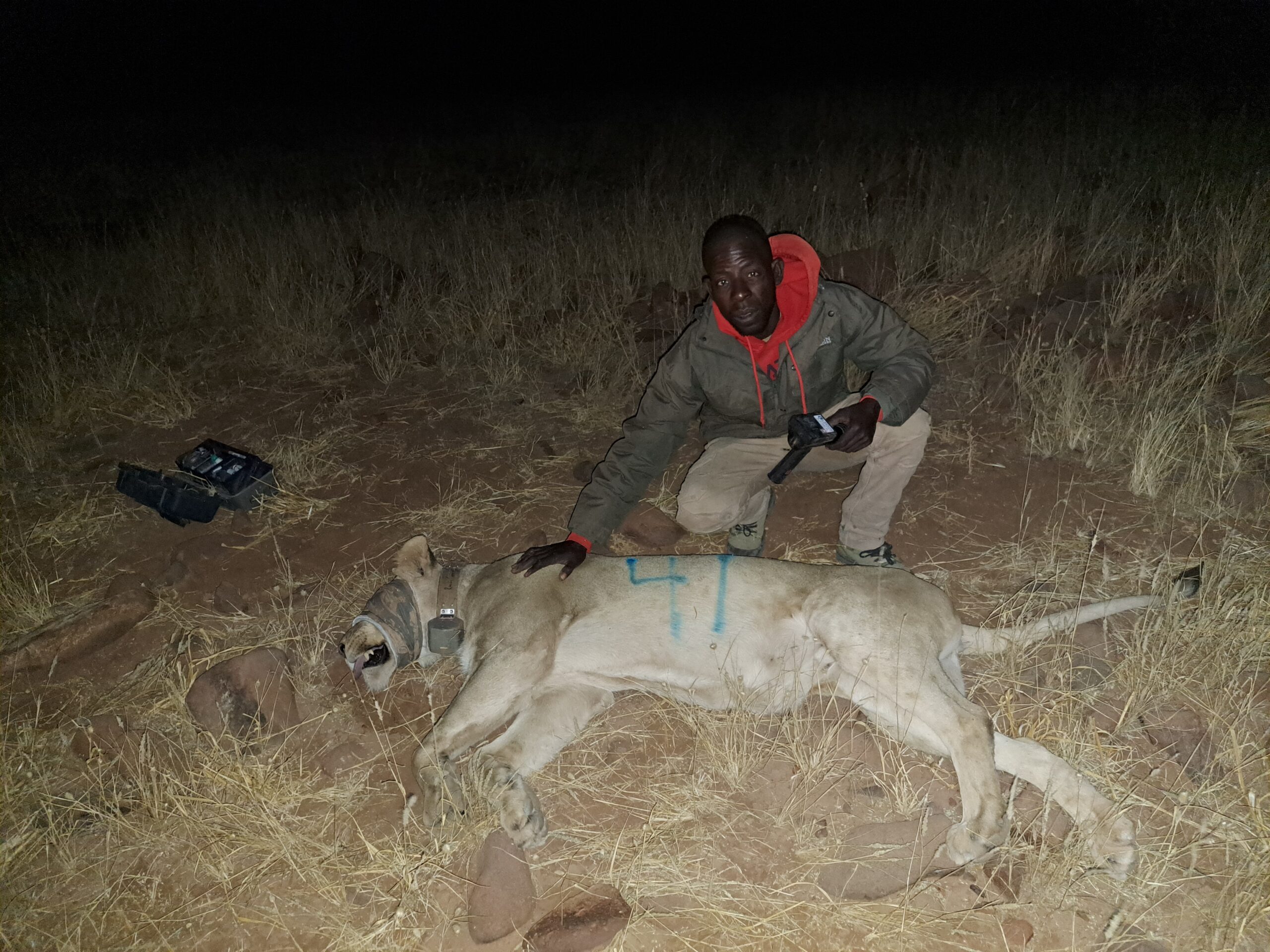
Near the farming area of Persianer, the Etendeka pride has been increasingly making its presence known. Lion Rangers Field Coordinator Benjamin Kordom has been working with the area Rangers to facilitate ongoing human-lion conflict interventions – often requiring working 24-hour days – to ensure all livestock are safely kraaled and lions are staying far from farms. To support the Lion Rangers on the ground, our Research Team helped with tracking lions to a remote cave in the mountains and collaring the Etendeka pride subadult female, OPL-41. The hard work of the whole team – researchers, Rangers, and Rapid Response – paid off as the lions departed the area without causing further issues. Persianer is quiet for the time-being.
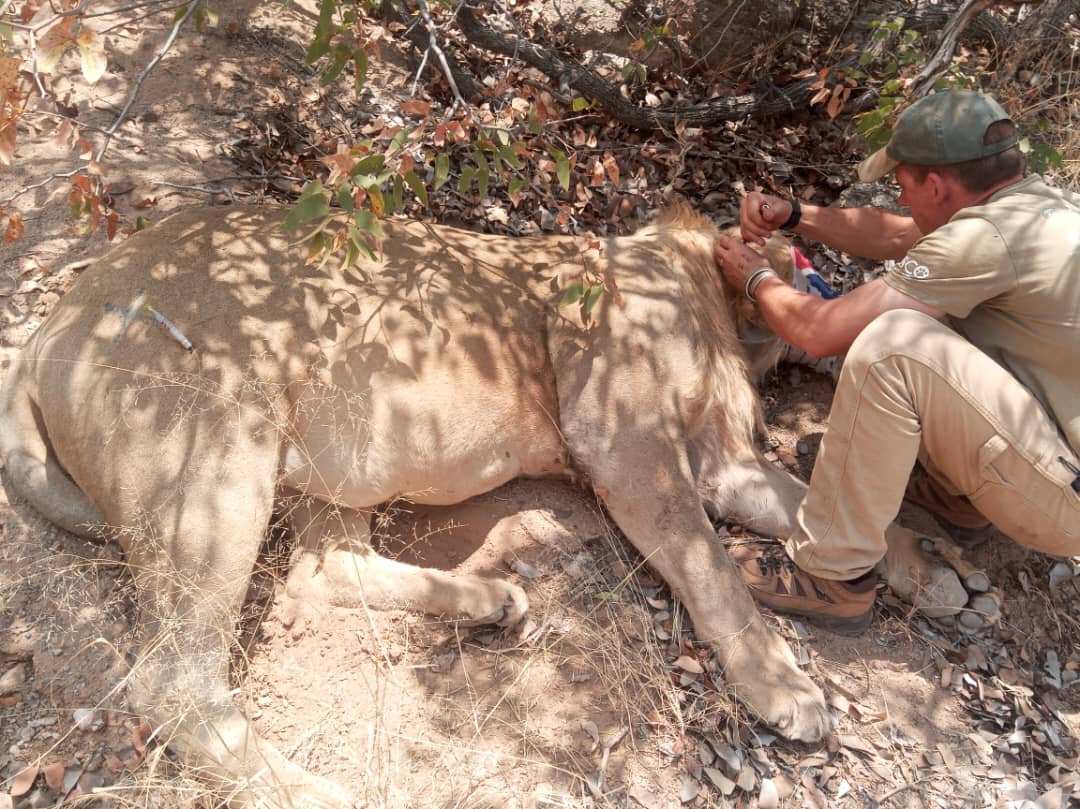
As part of our ongoing monitoring, a further two lions were collared. At the request of MEFT a failed collar on the male lion OPL-31 was replaced. The entire “Hobatere Breakaway” pride was seen during the operation. Consisting of five males (two adults and three subadults) and a subadult female, the “Breakaways” are increasingly spending time apart from their natal pride.
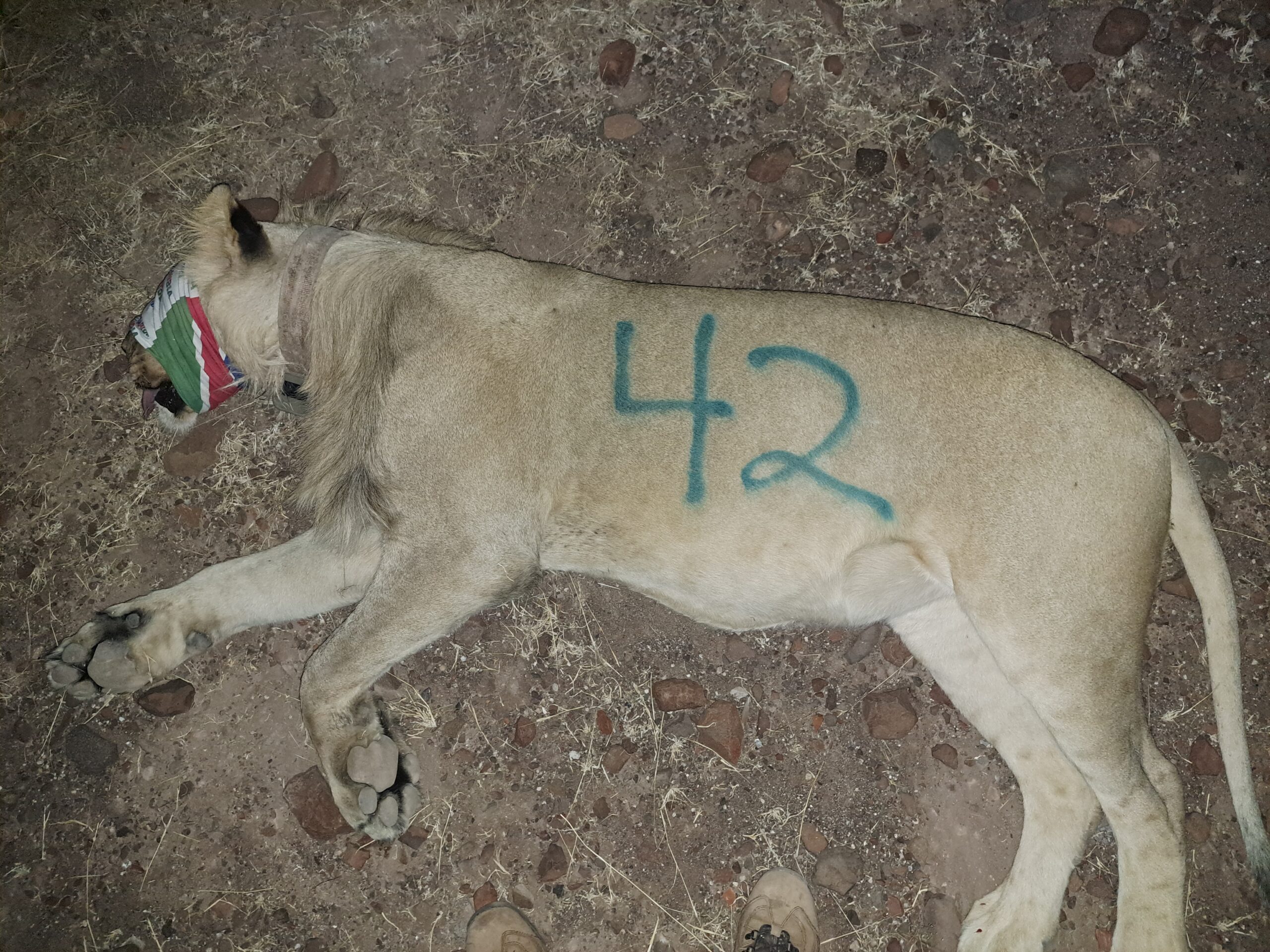
Additionally, our research team deployed a collar to a subadult male of the Okavariona pride, OPL-42. The growing pride – now consisting of three adult females and seven subadults (four males, three females) – generally occupies the remote mountains of the Omatendeka Conservancy. However, the growing cohort of subadult males are likely to disperse from their natal pride in the coming months. Maintaining collars on these groups is an important part of enabling the Rangers to limit human-lion conflict on surrounding communal lands.
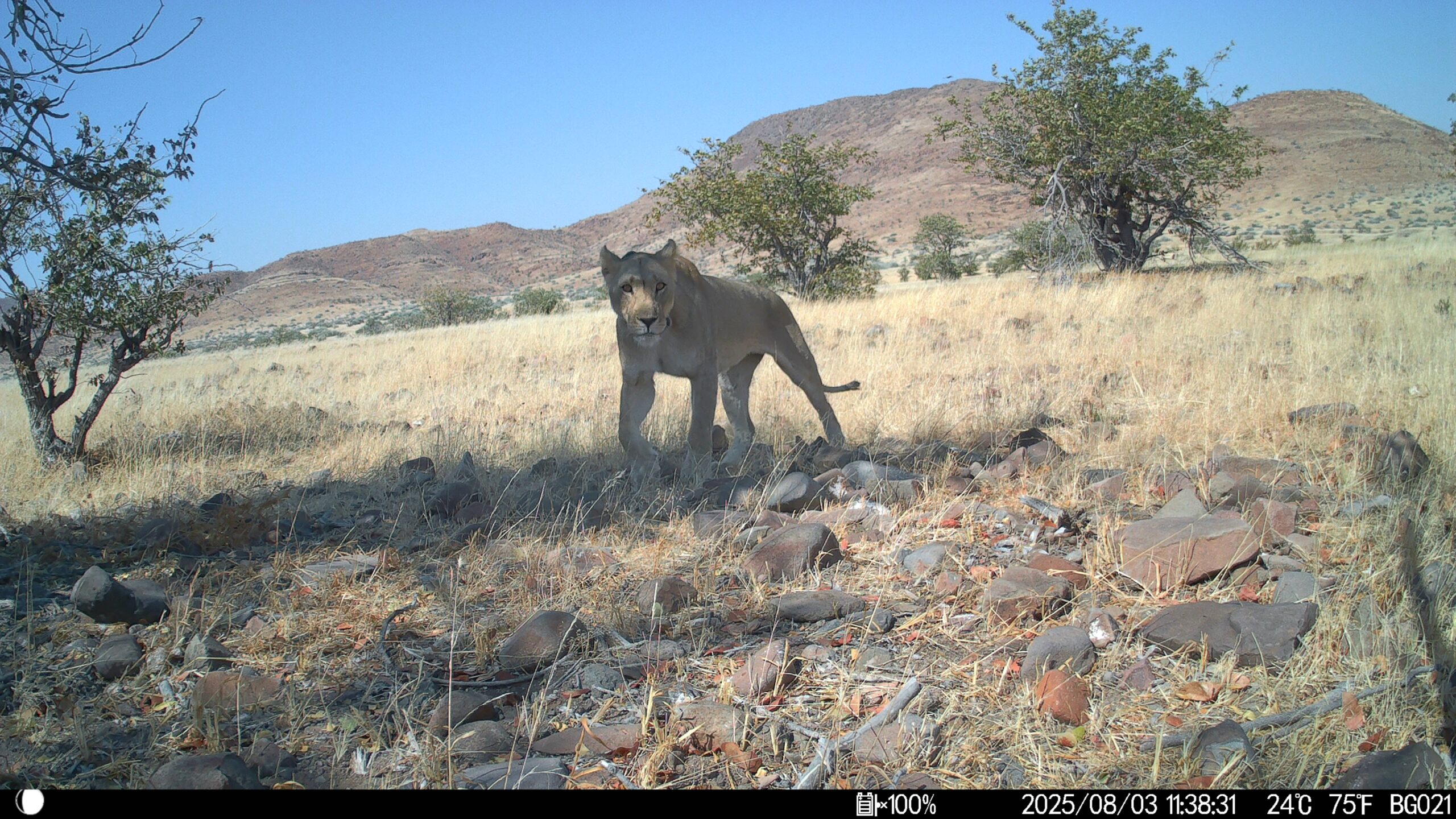
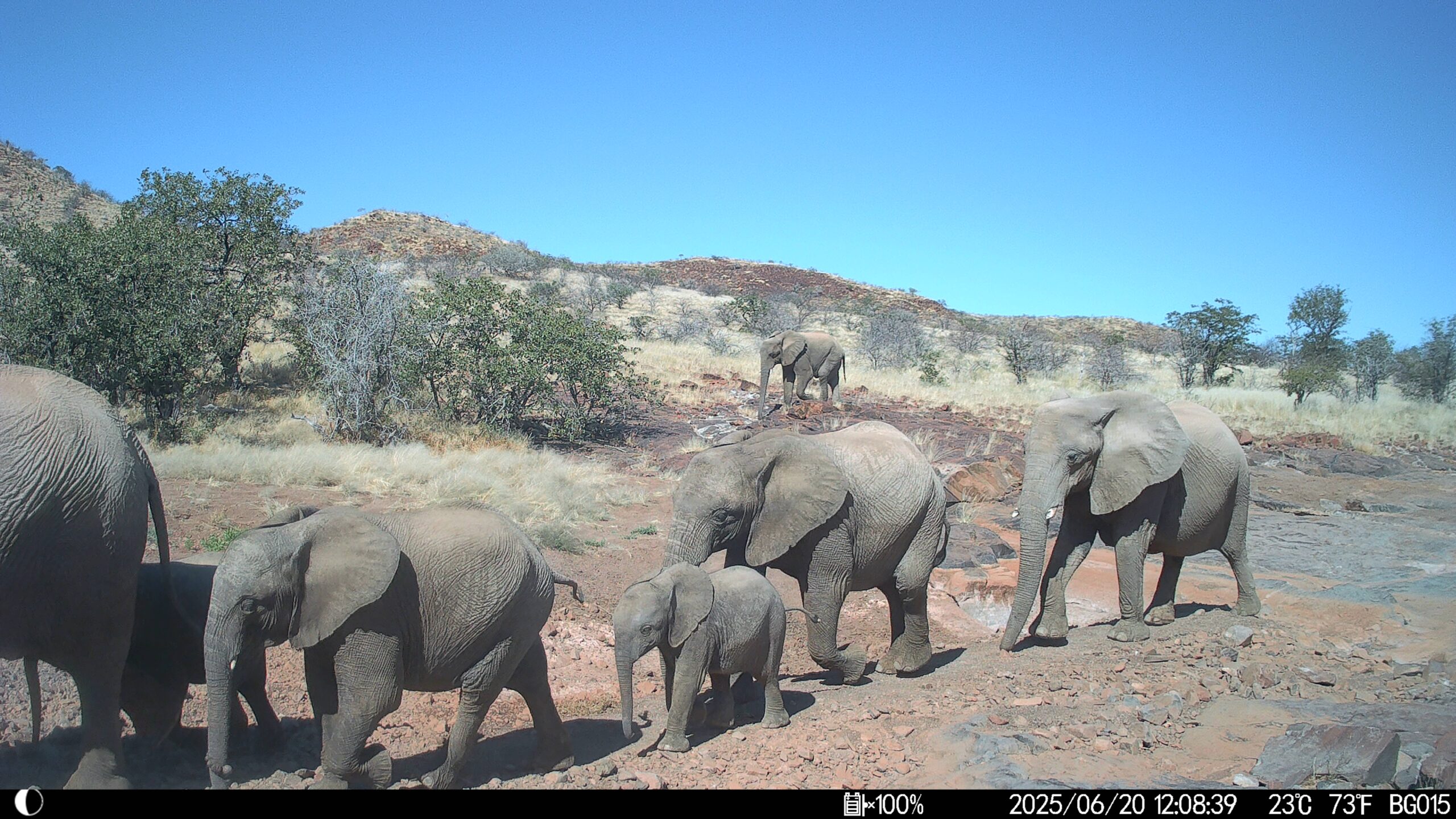
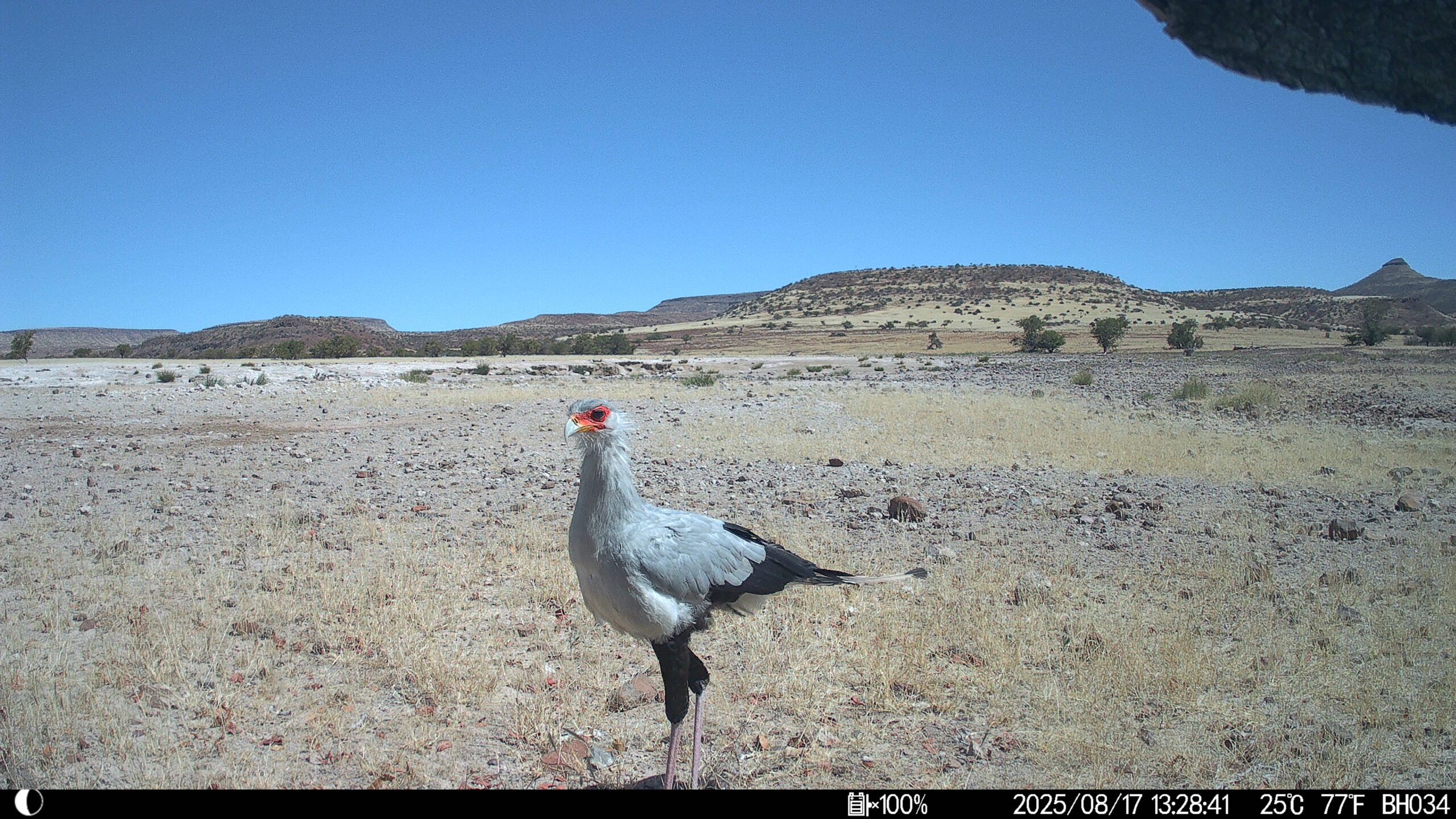
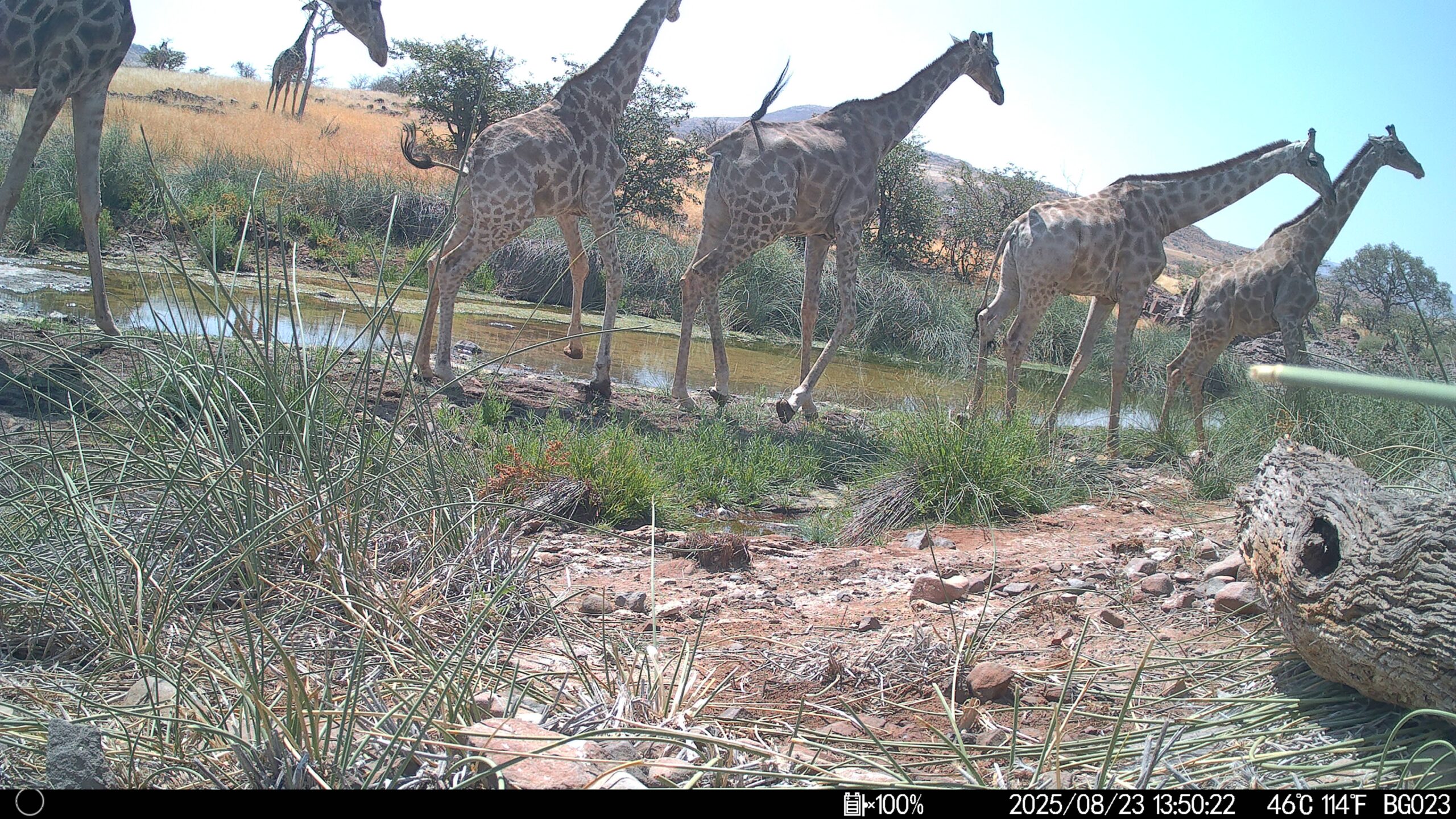
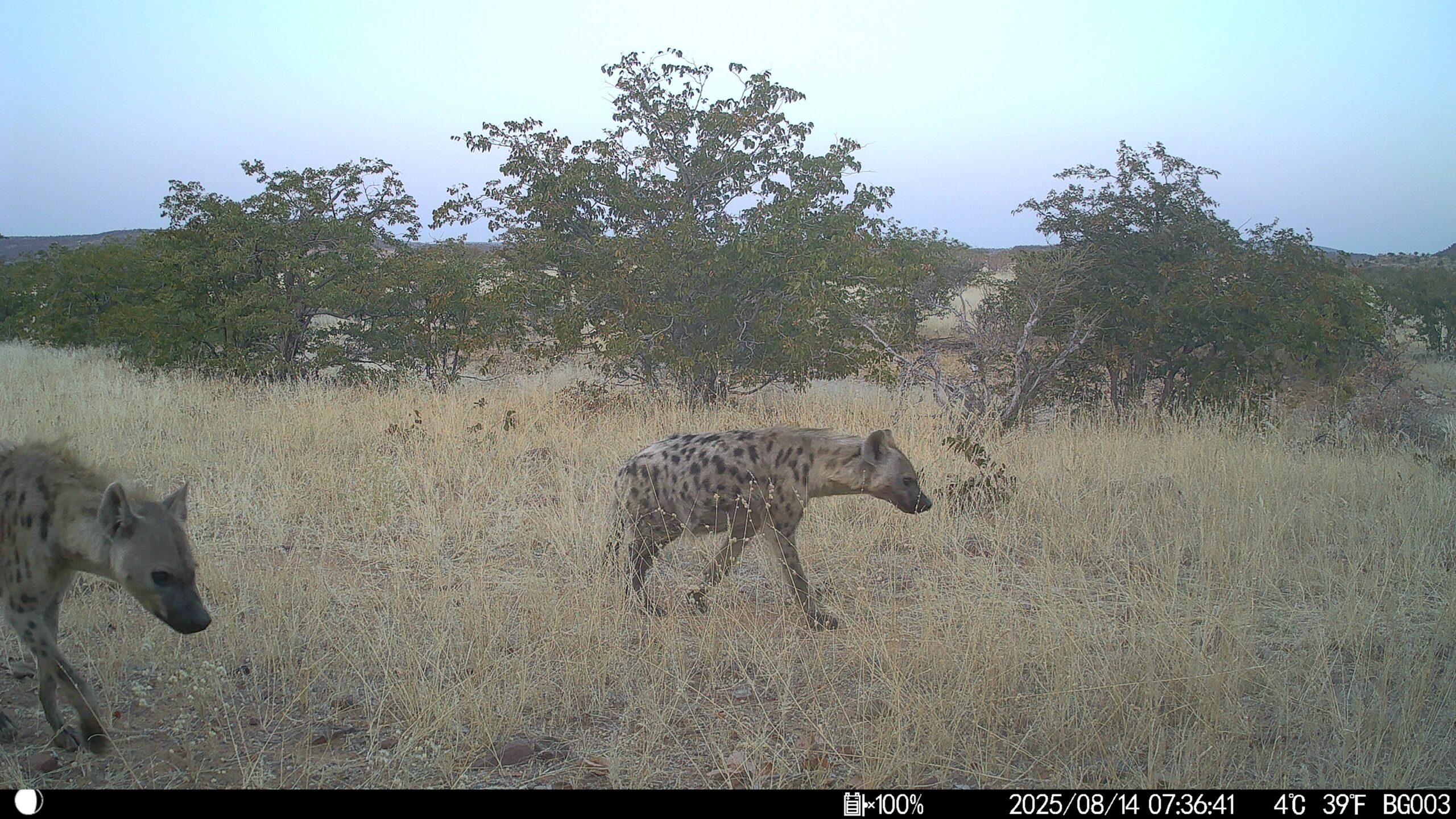
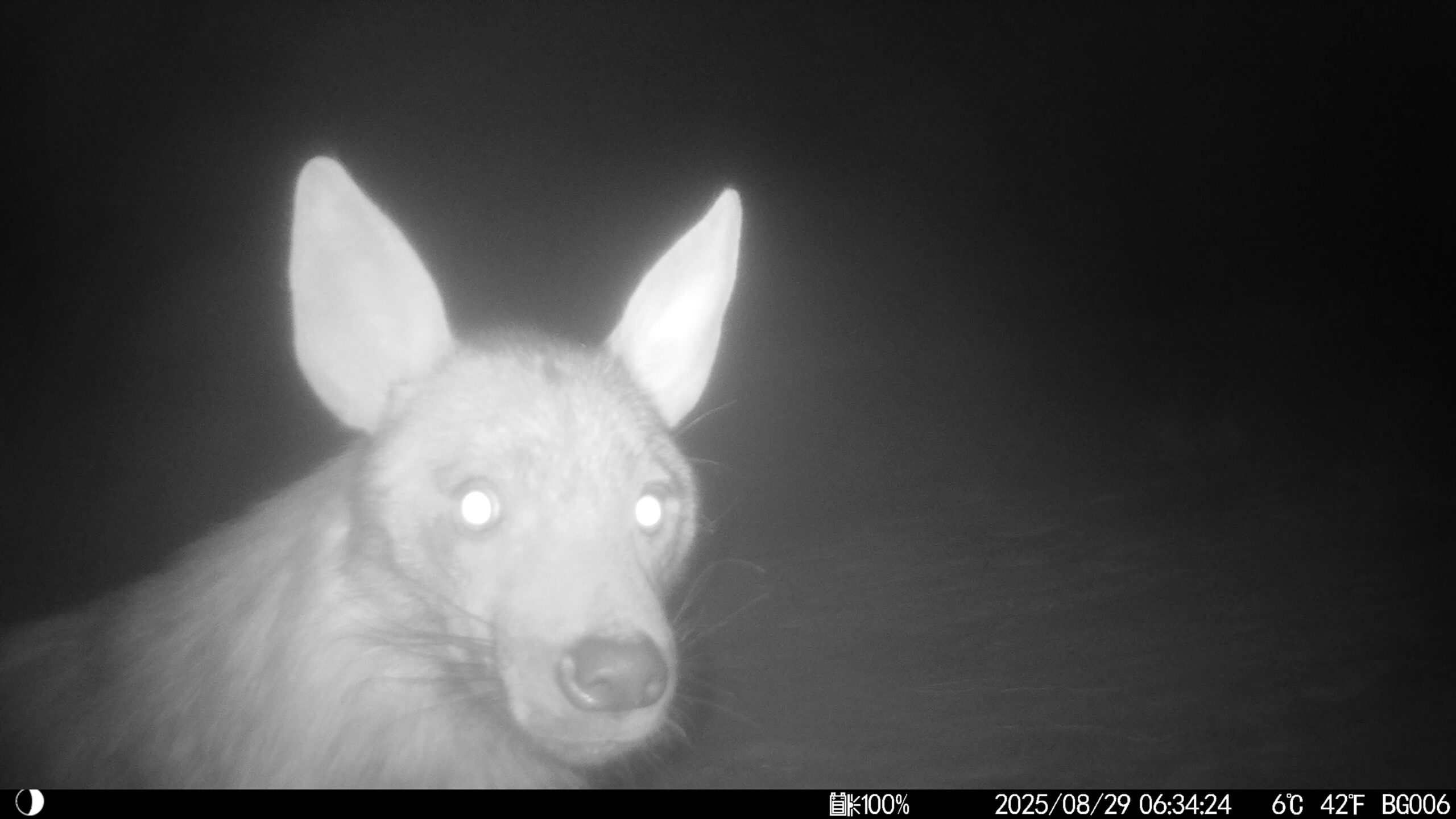
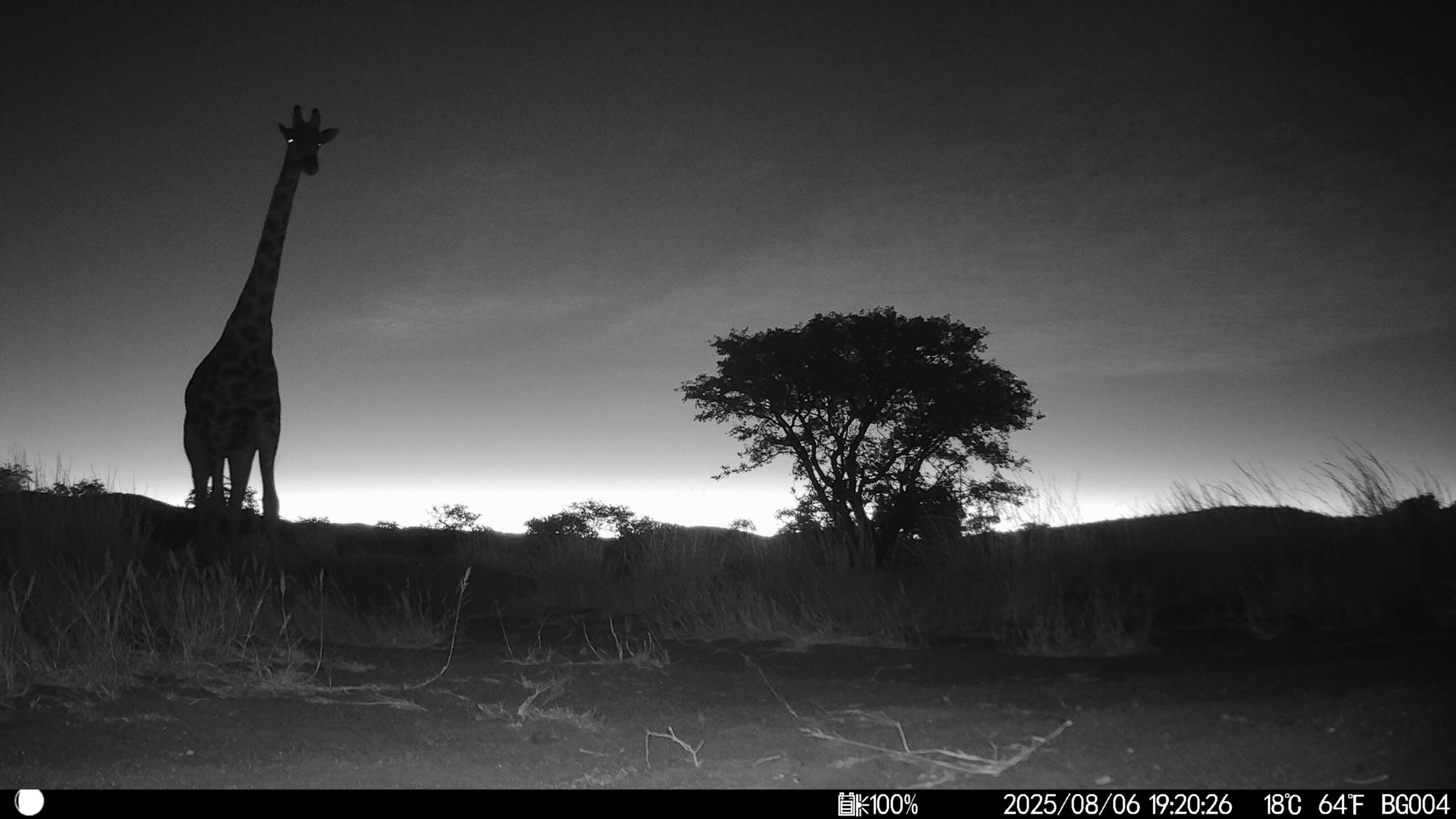
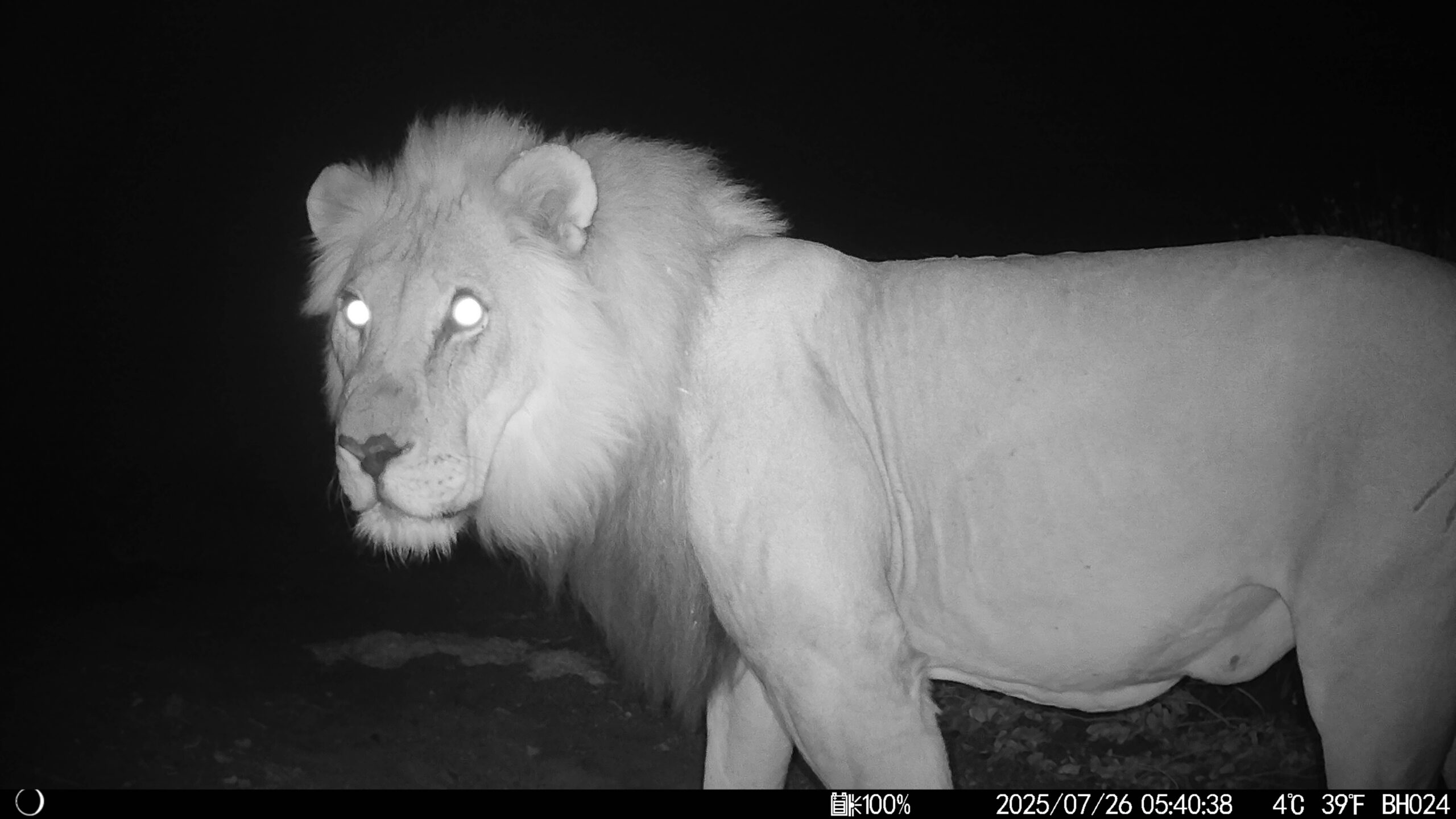
Our research work continues. The Lion Rangers Program is proud to be part of an ongoing spotted hyena research project, which takes place in our monitoring area. As part of the PhD research for Madeline Melton, a trail camera grid has been deployed to assess spotted hyena numbers and movements. This grid has been deployed since June 2025, and will stay in the field for at least a further two years. Great images (see below) are already incoming from this exciting research – which will help communities in the northwest better manage human-hyena conflict. Thanks to MEFT for helping facilitate this important work.