Over the past week, the Lion Rangers have been partnering with Ministry of Environment, Forestry and Tourism (MEFT) game capture and veterinary staff to collar lions in the Ombonde Research Area. Following the recent poisoning of lions nearby here, including one male lion collared in the area in May, continuing to monitor lion movements in the area is considered a high priority.

Lions frequent the waterholes of the Omatendeka Conservancy. Lion Rangers working in the area know well that lions move between a handful of key waterholes, preying-upon herds of mountain zebra, springbok, and even seeming to recently specialize in hunting giraffe. Because so little is know about the desert-adapted lion inhabiting this incredibly rugged part of northwest Namibia, the information gathered from collars can play an important part in learning more about the area’s subpopulation.
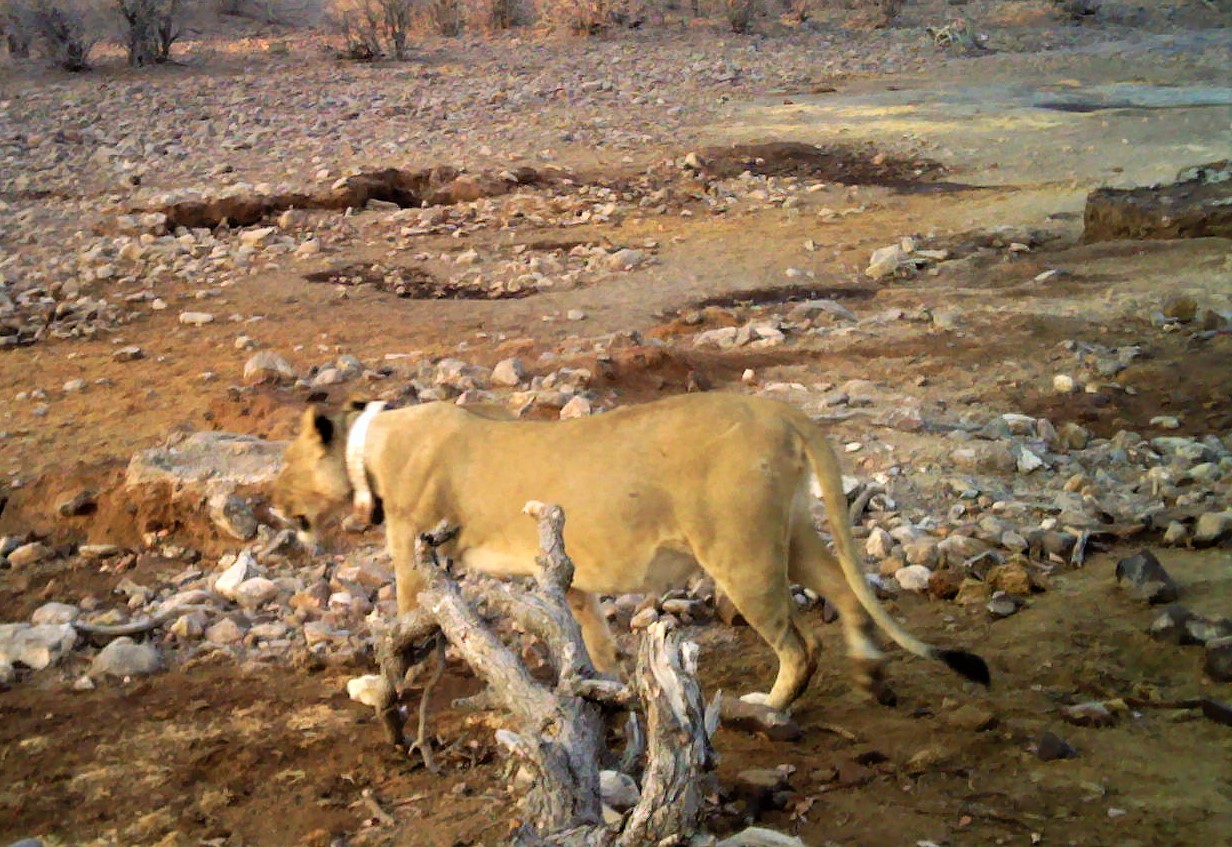
Through tracking by the Lion Rangers, and the use of trail camera images to identify key individuals, the Lion Rangers worked with MEFT staff to collar a female desert-adapted lioness, who is considered a key individual in a group fluctuating between three and seven individuals. While two male lions have already been collared in this area, all on-site agreed it was important to collar this female to have a better sense of where the core of the pride was moving. As male lions can move in and out of the group at irregular intervals, it is important to collar key females as well as males. This appears to be particularly true in northwest Namibia, where we are still learning about the dynamics of group movements, including lions fission-fusion dynamics.
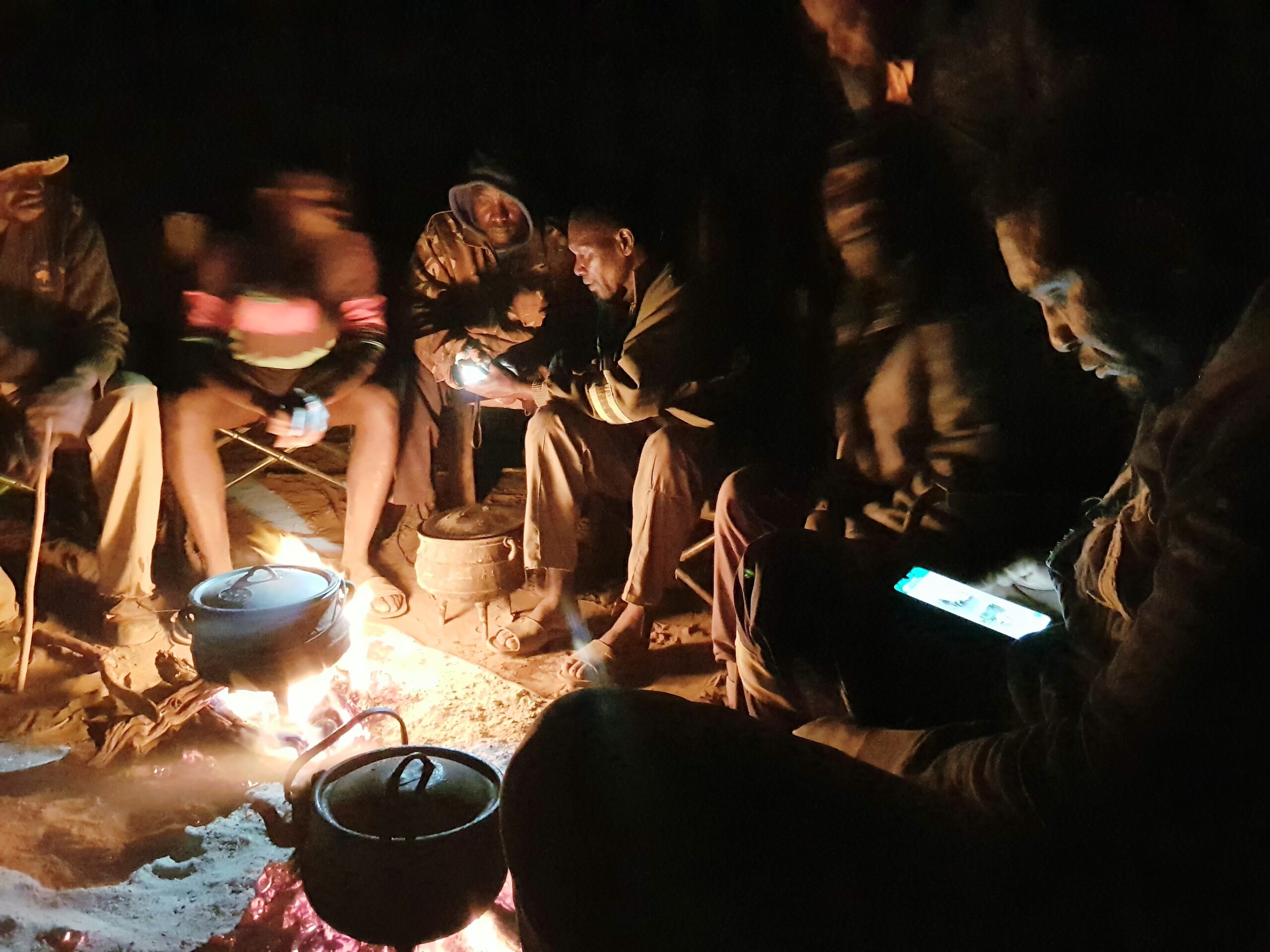
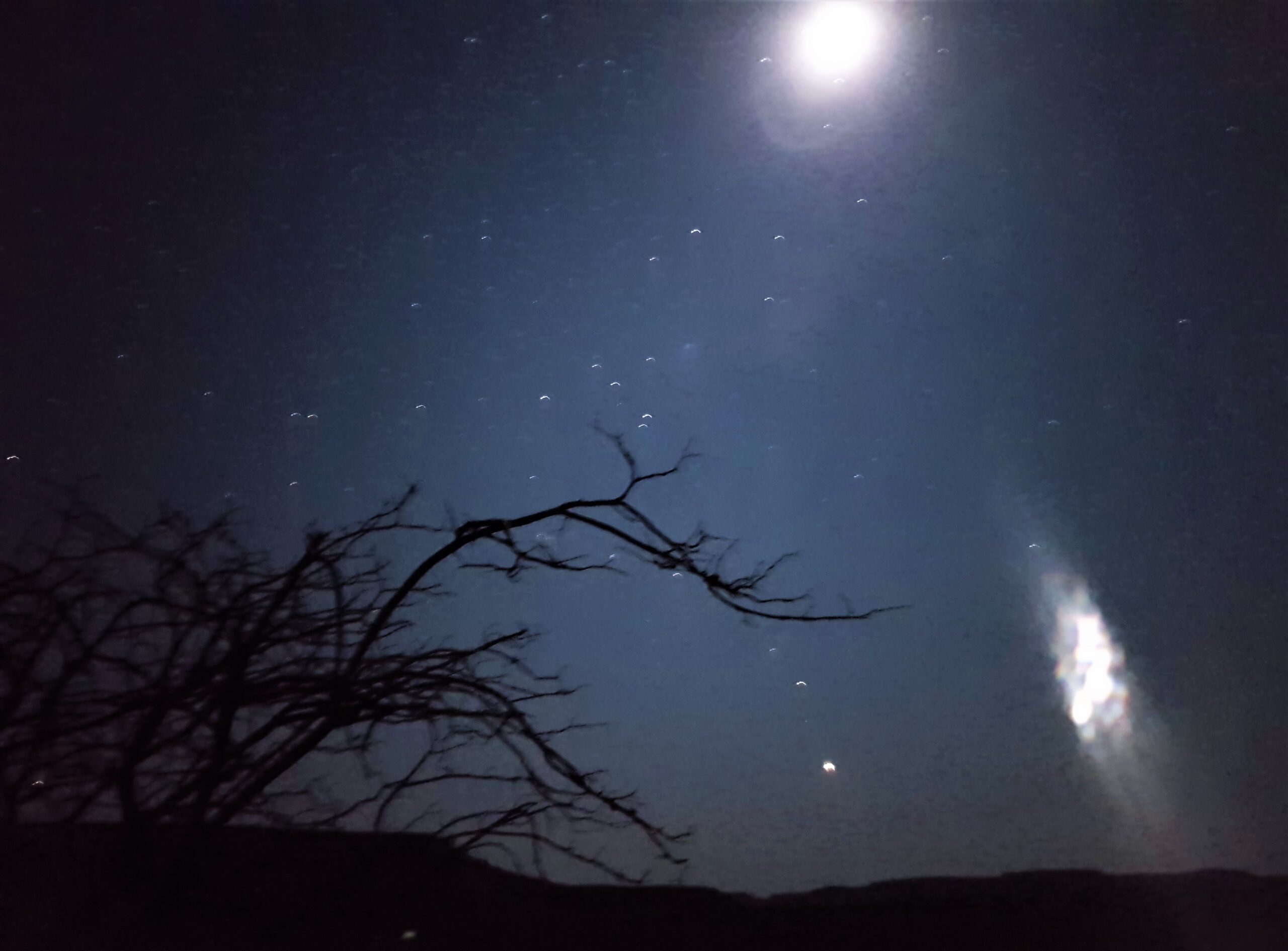
Collaring necessitates working through long nights, when lions are most active. But the Lion Rangers themselves have become somewhat adapted to working at night. Luckily for the entire team, collaring took place during a nearly full-moon, making it much easier to monitor lion movements in anticipation of collaring.
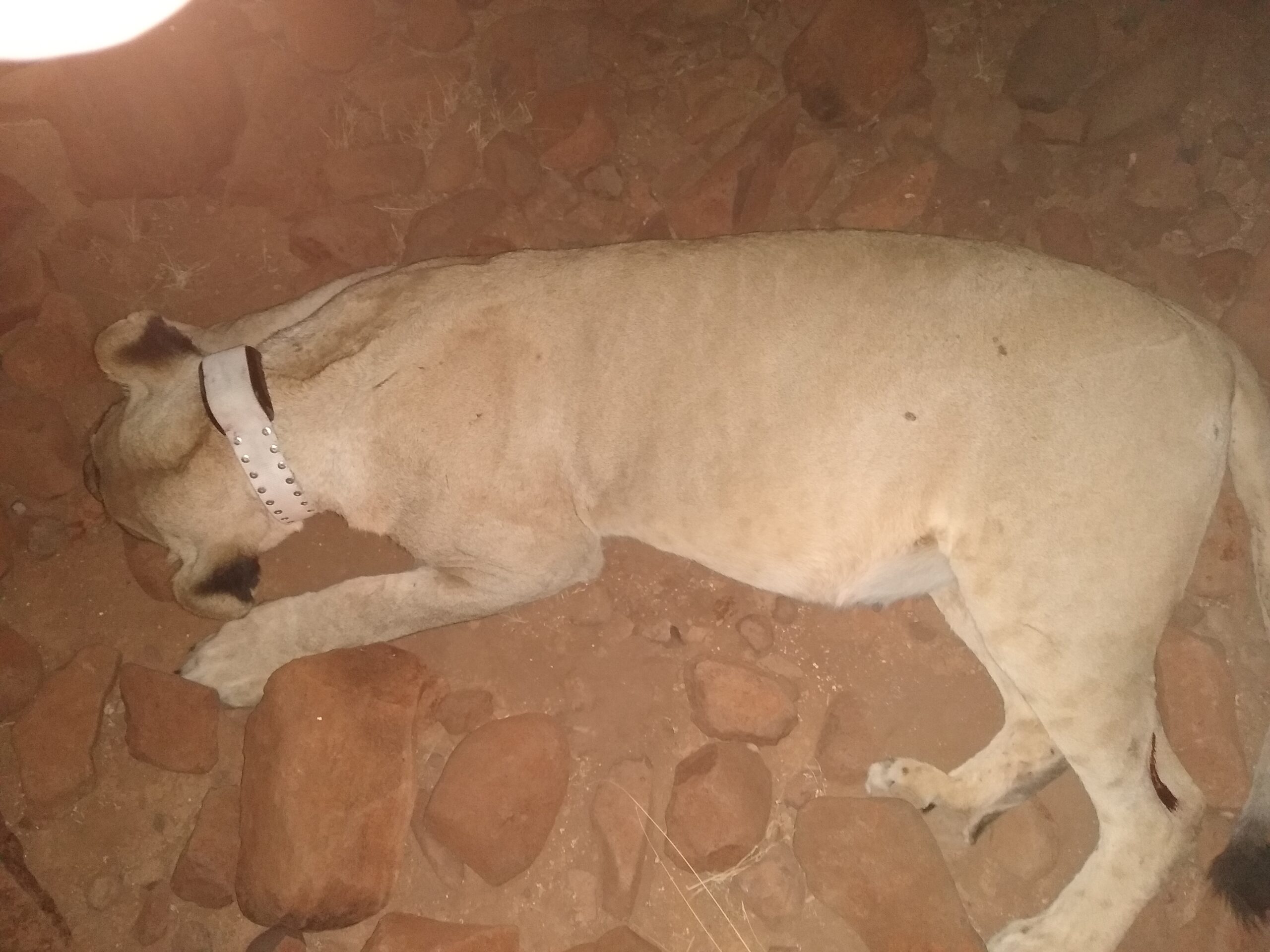
The entire operation concluded with a target female being collared. Data from this collar are already incoming. Watch this space for more collaring updates!